Discover Why Fatehpur Sikri
Deserves a Spot on Your Travel List
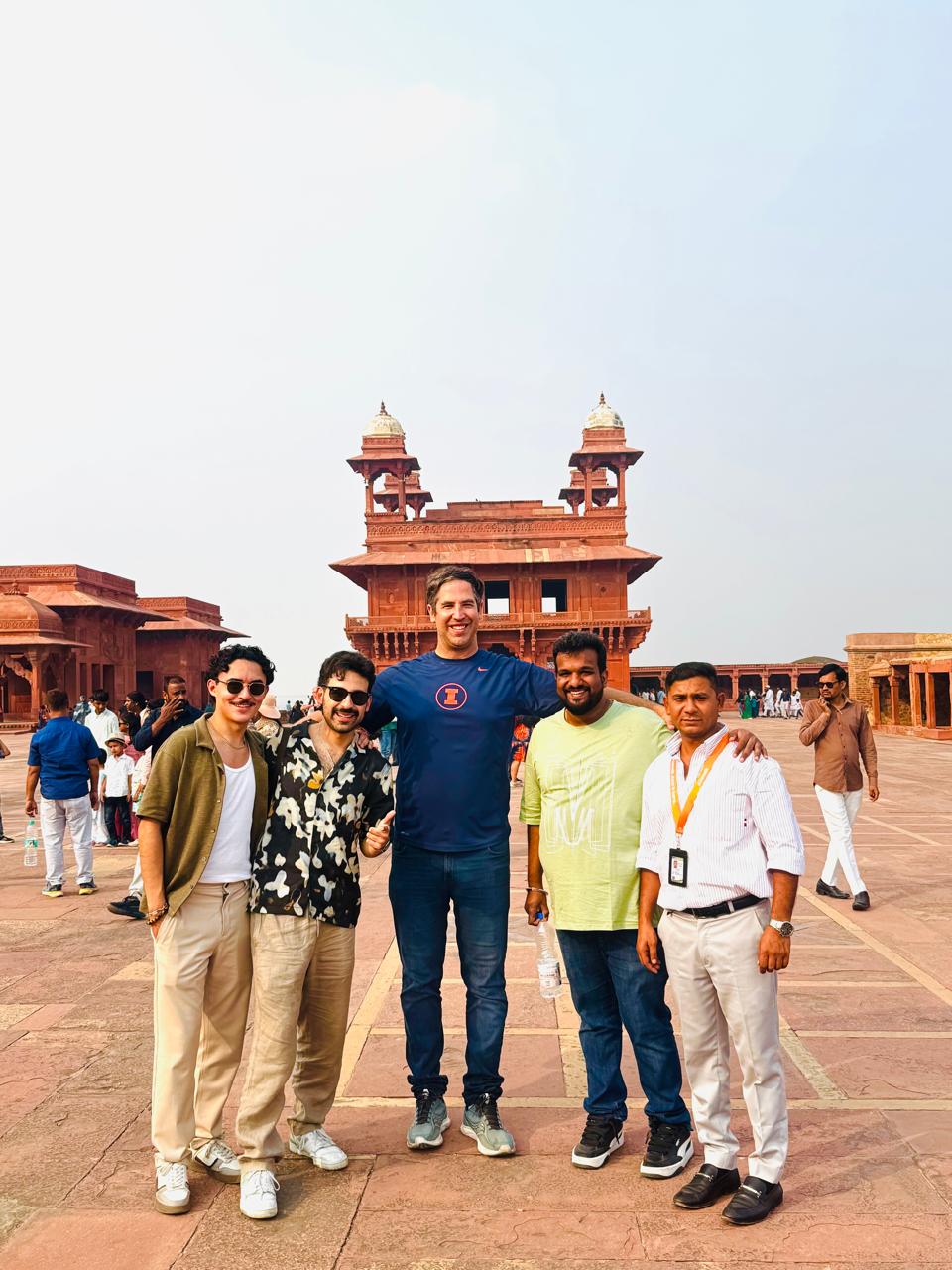
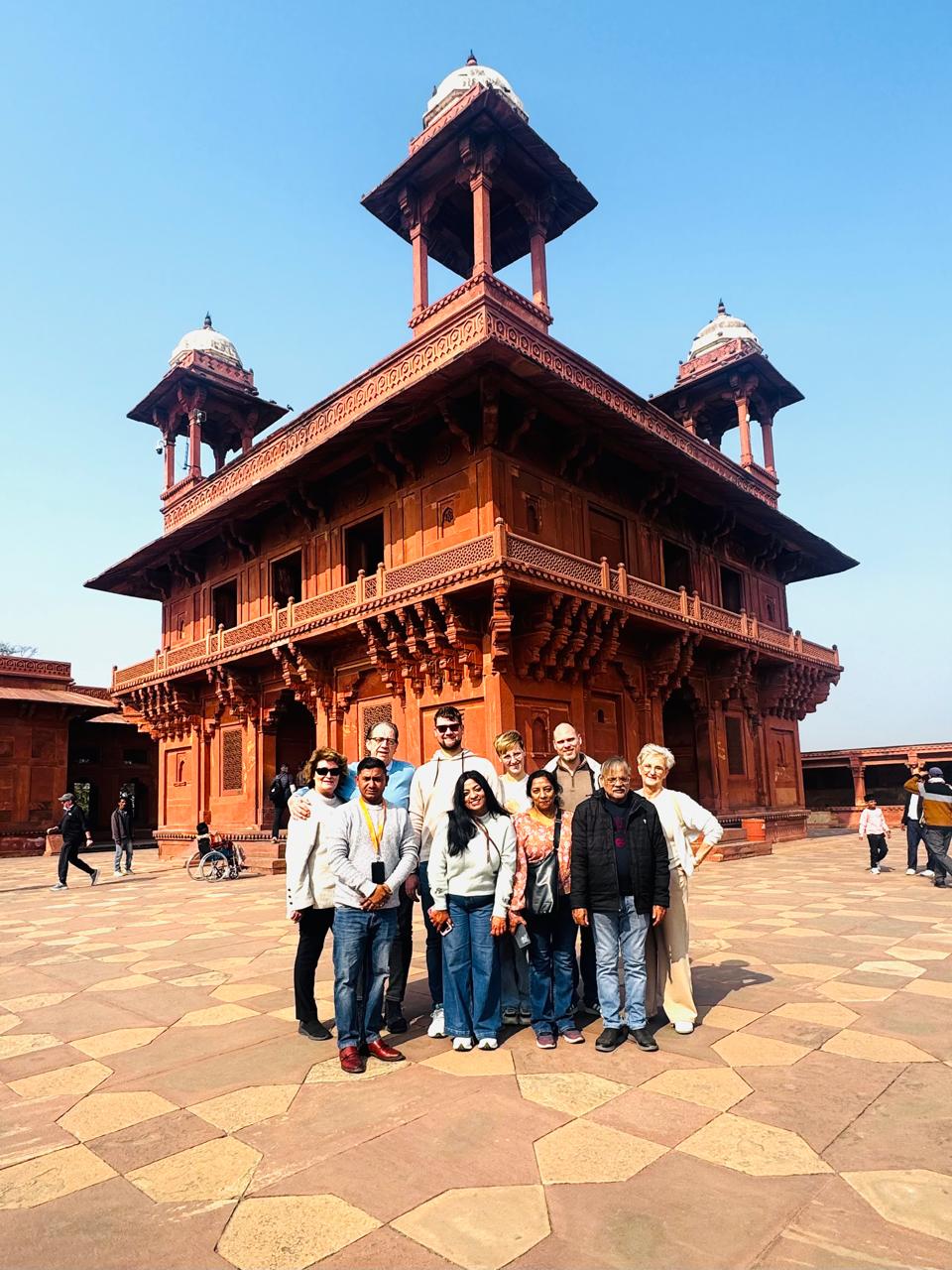
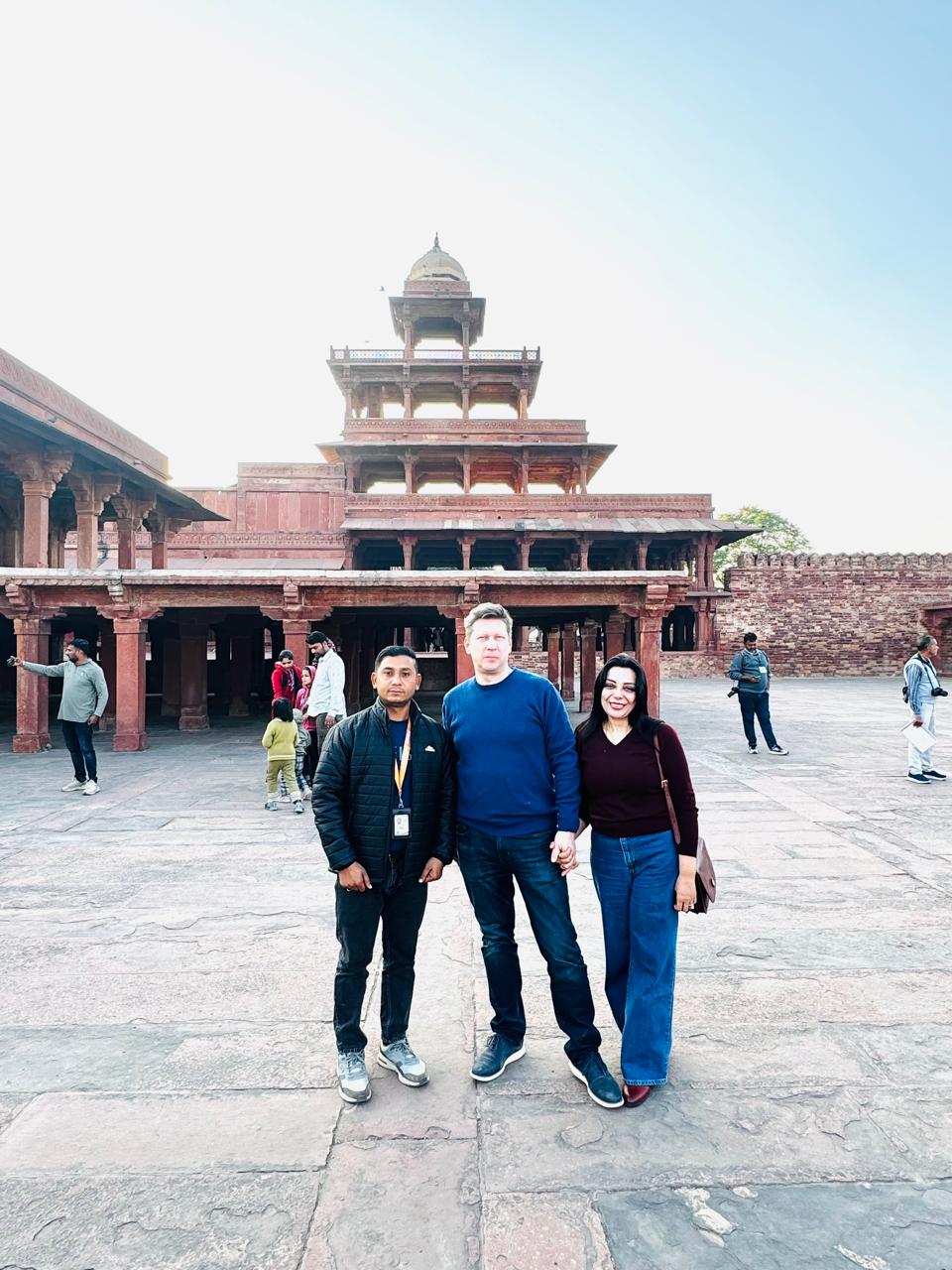
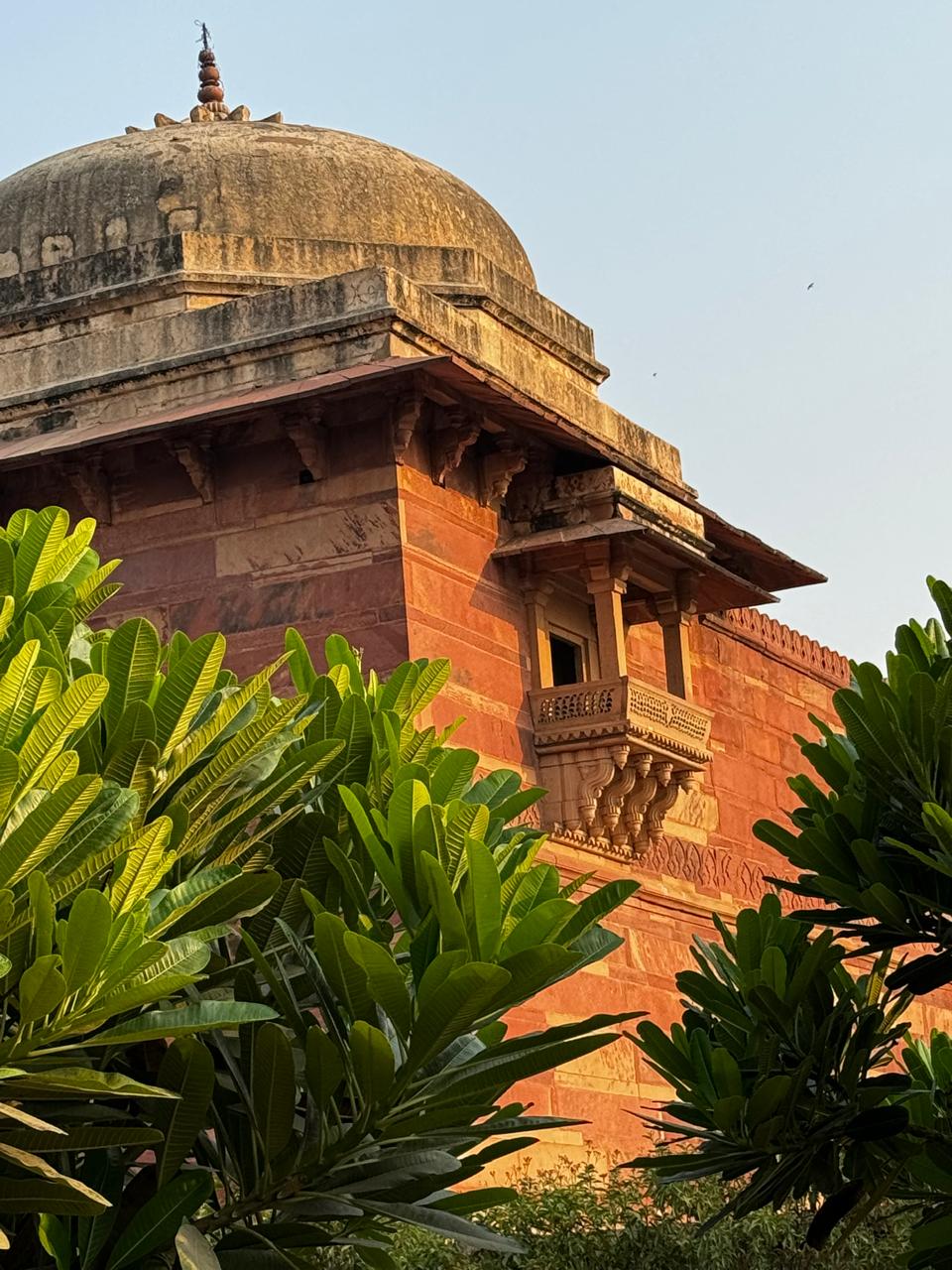
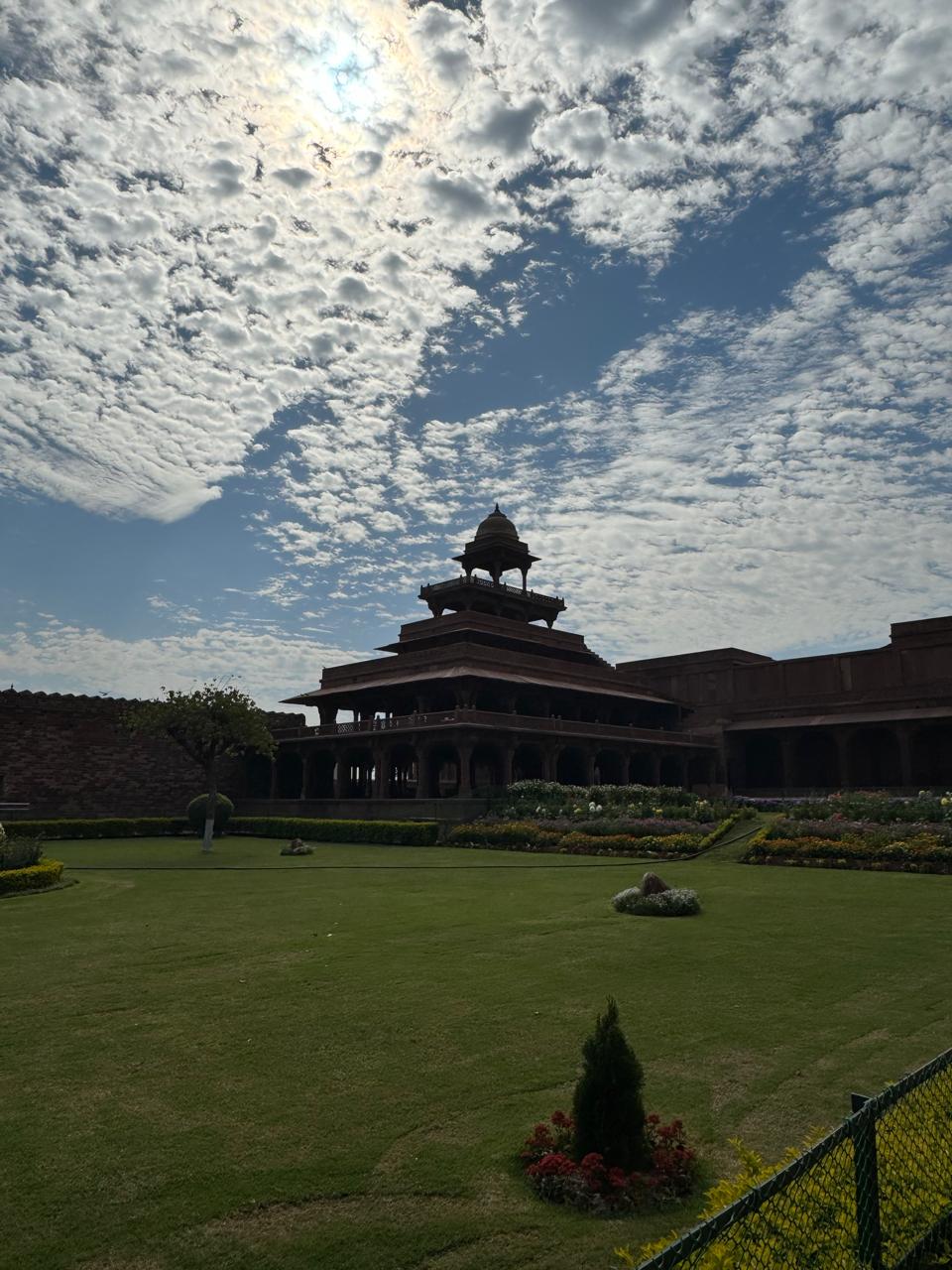
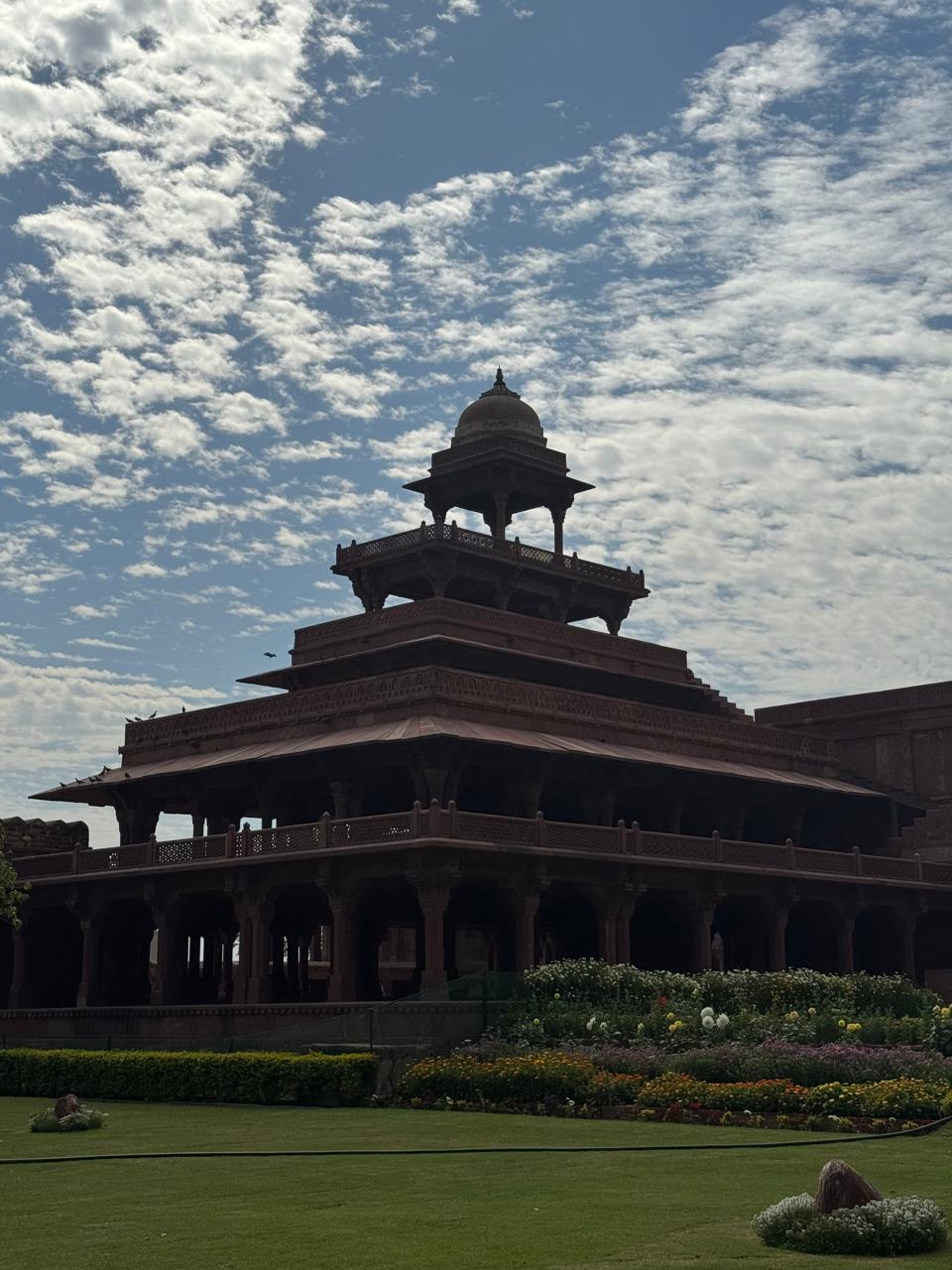
Fatehpur Sikri The Forgotten Majestic Capital of the Mughals
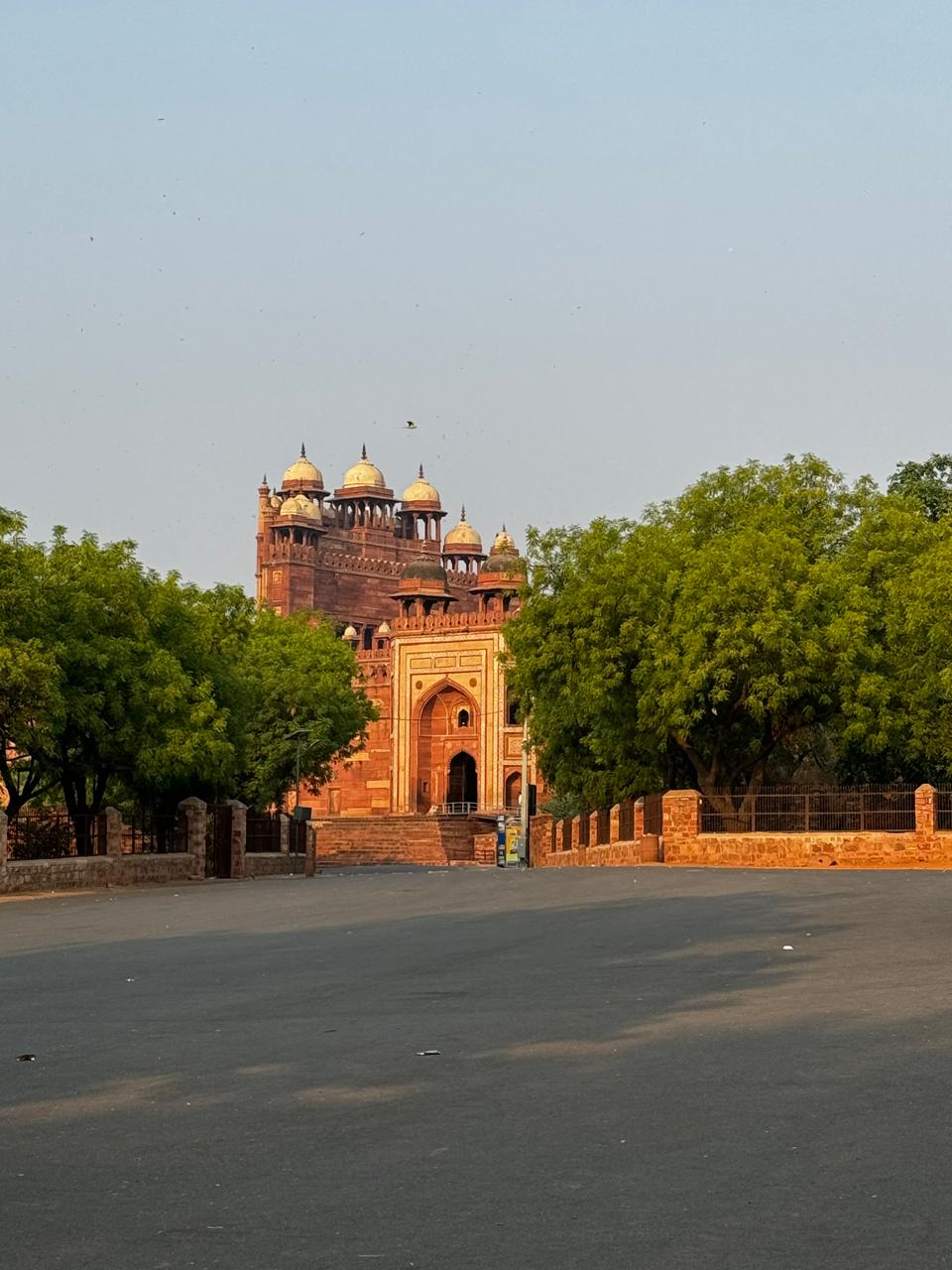
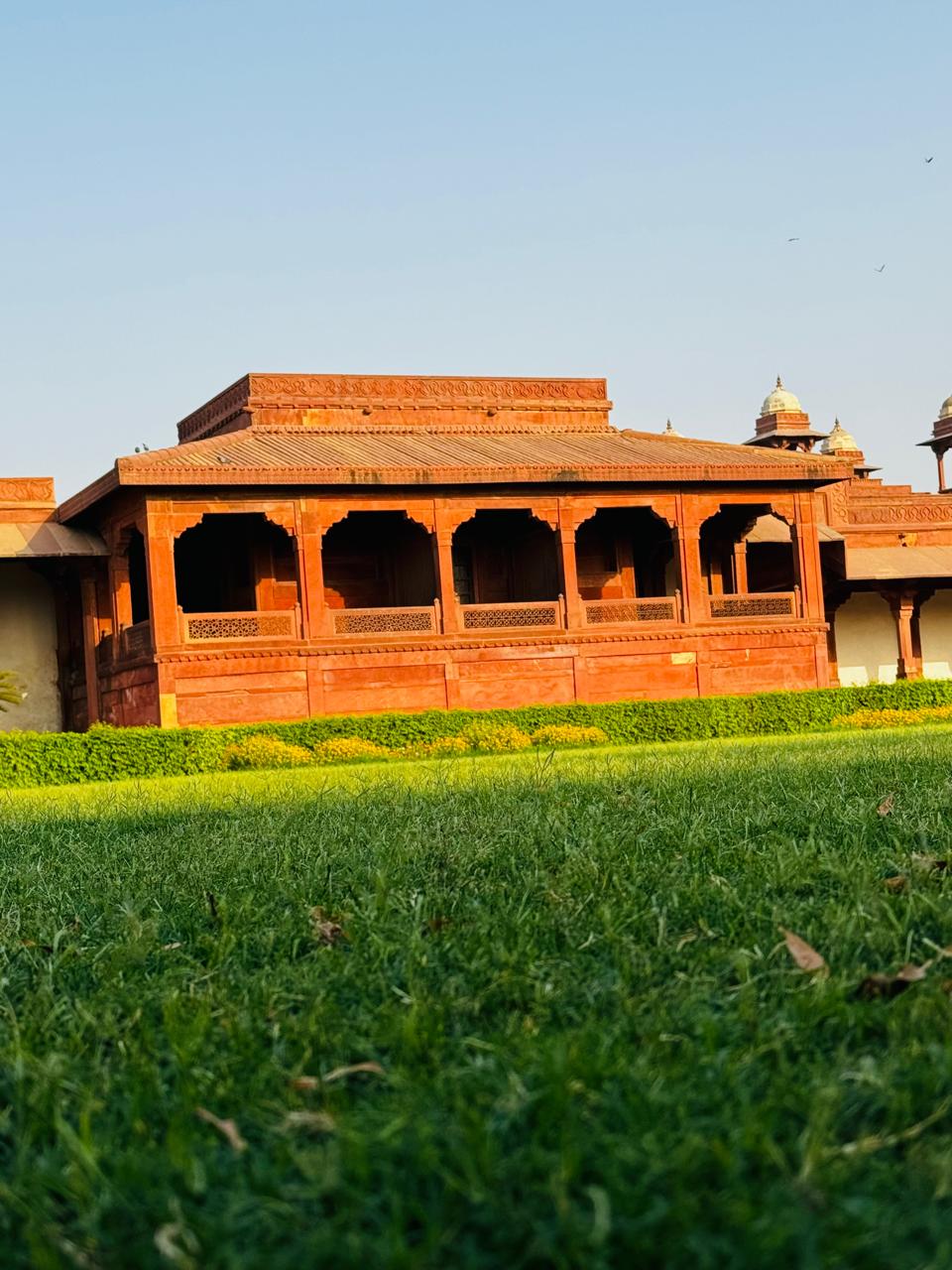
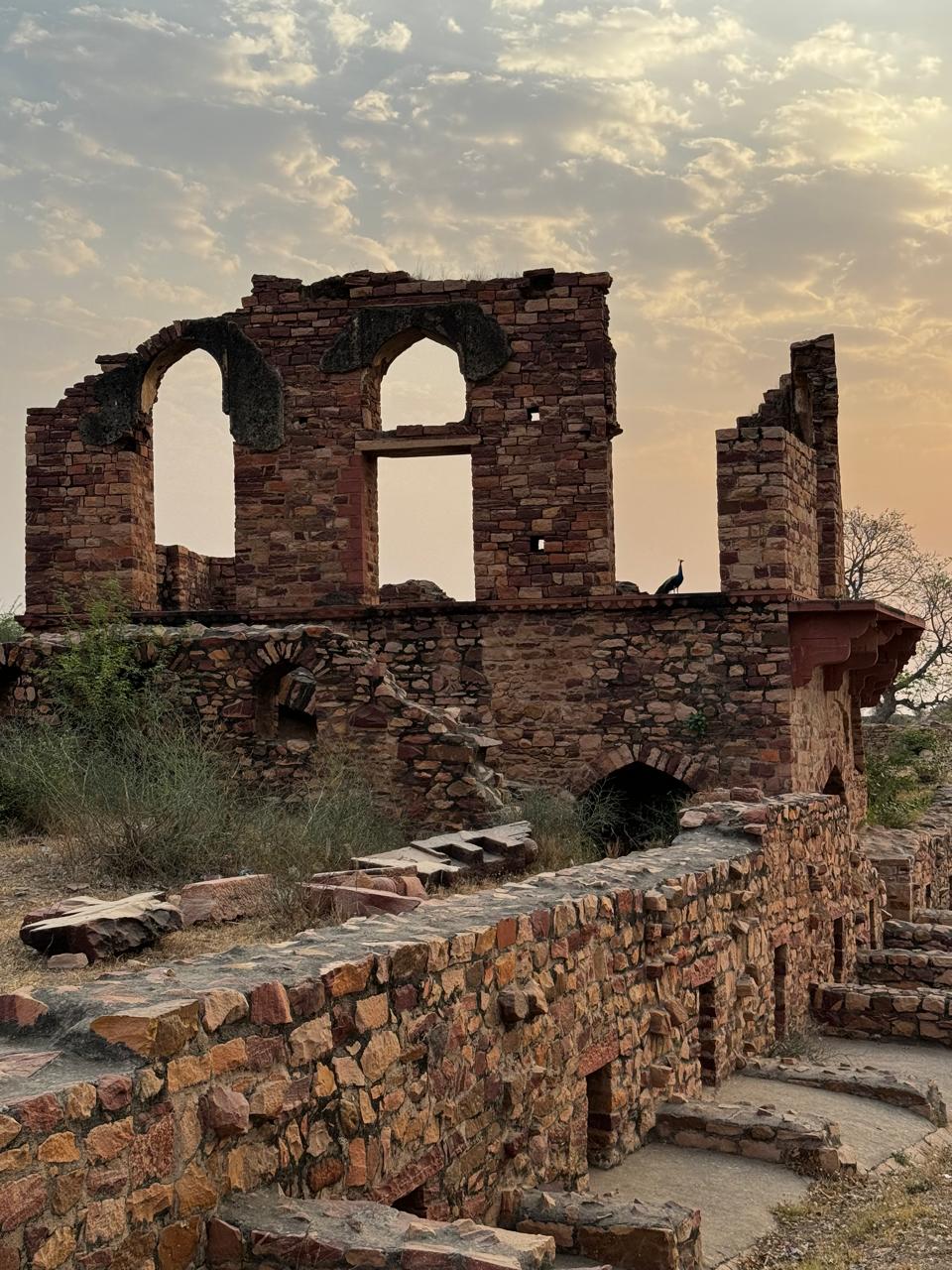
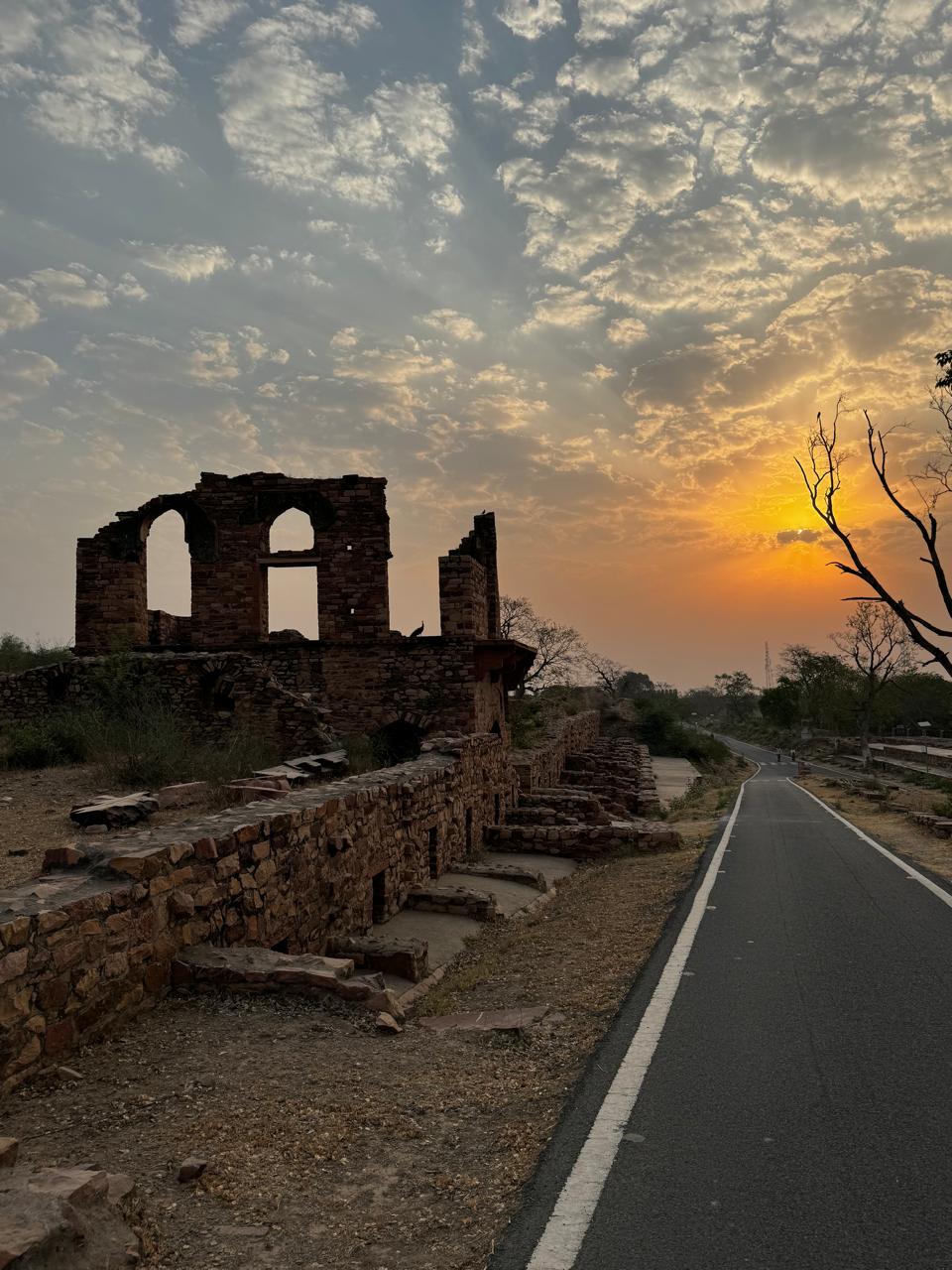
Fatehpur Sikri is one of the most fascinating historical cities of India, located near Agra in Uttar Pradesh. Built by the great Mughal Emperor Akbar in the late 16th century, this city once served as the capital of the mighty Mughal Empire. However, despite its grand architecture, rich culture, and strategic planning, it was abandoned after only 14–16 years due to water scarcity and climatic challenges.
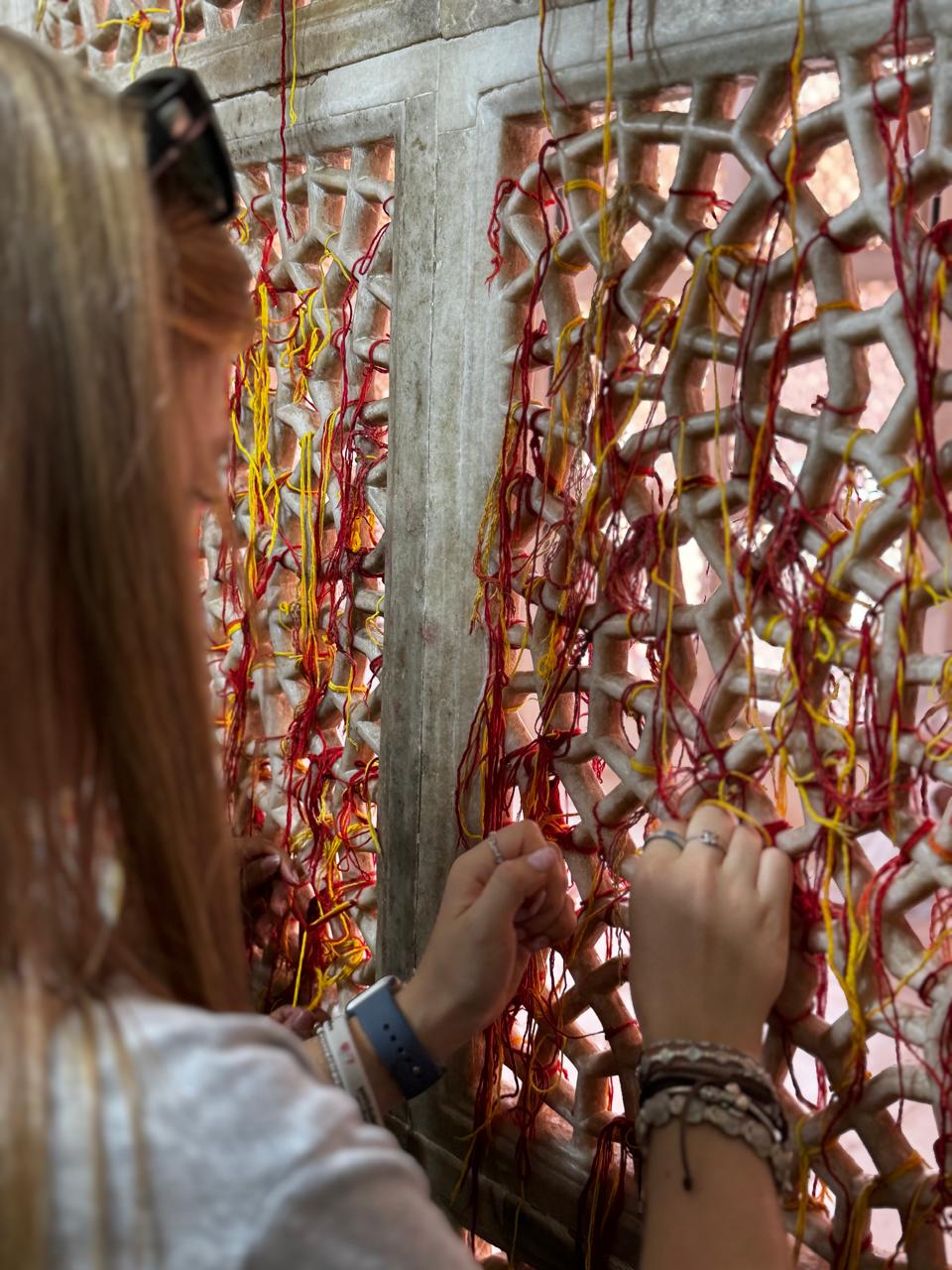
Akbar founded Fatehpur Sikri around 1571 after the birth of his son Salim (later Emperor Jahangir). Akbar believed the birth was a divine blessing from the Sufi saint Sheikh Salim Chishti, whose dargah lies within the complex. To honor this spiritual connection, Akbar transformed the barren ridge into a planned imperial city, complete with palaces, mosques, courts, administrative blocks, gardens, and public areas.
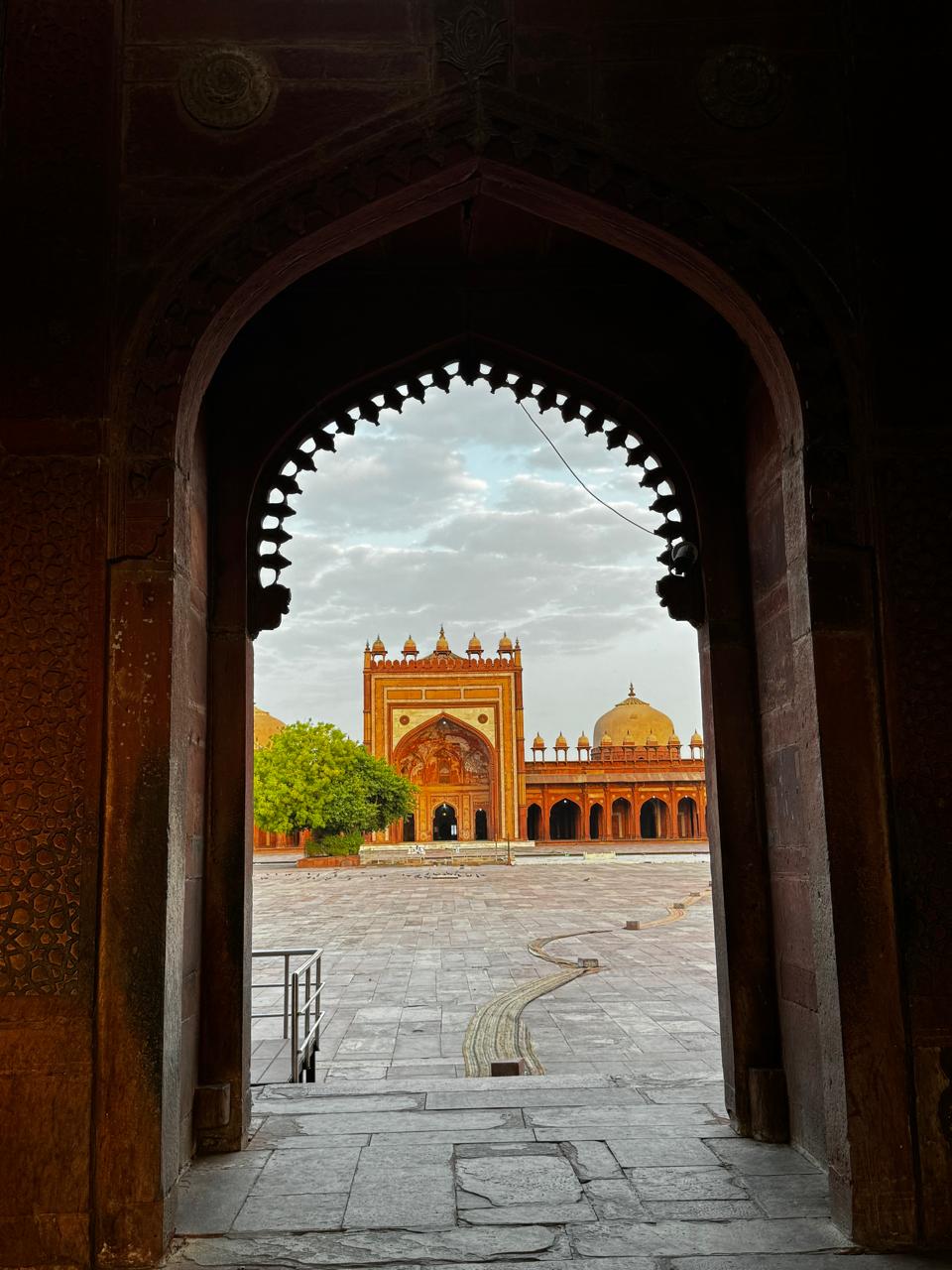
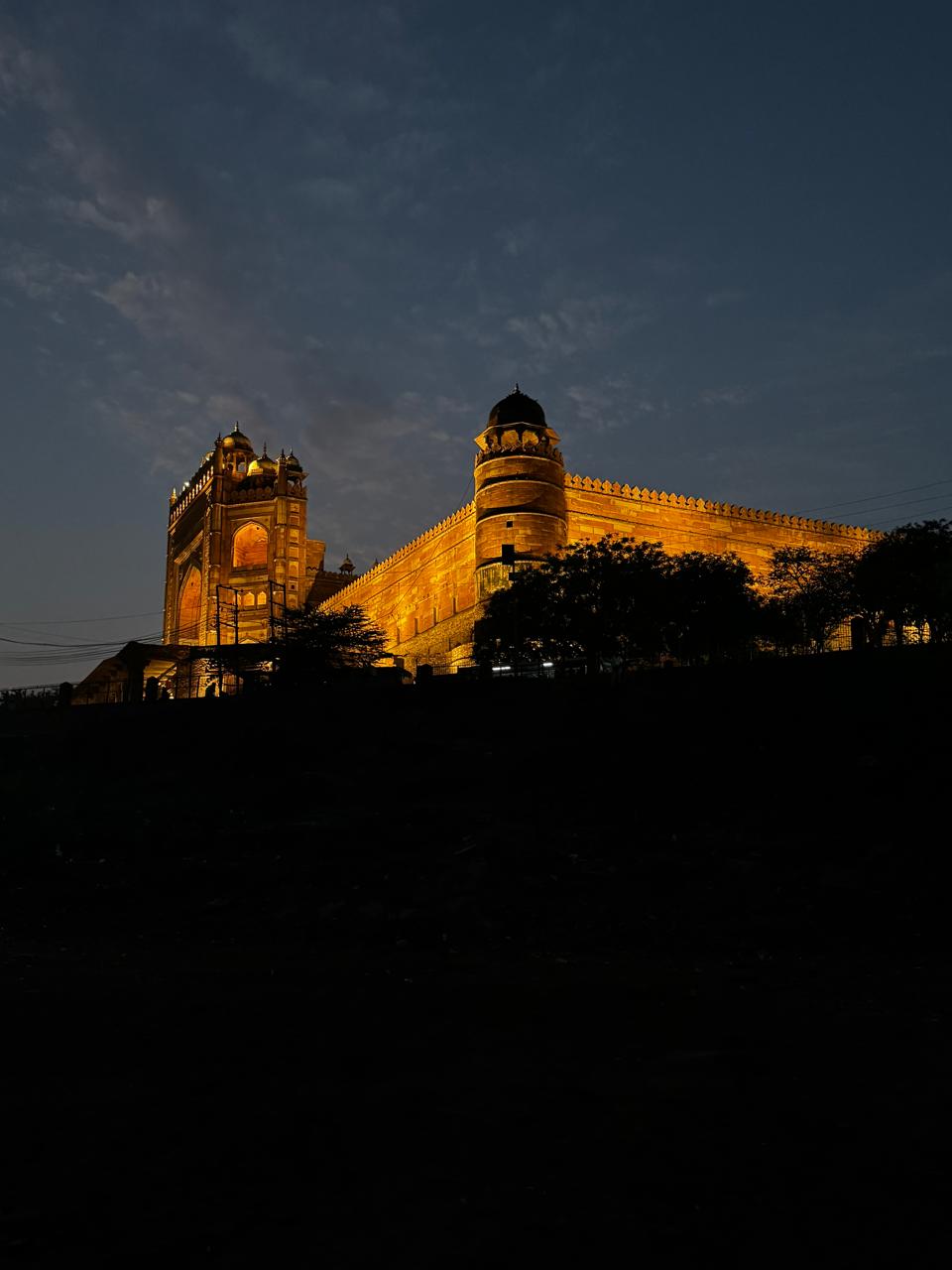
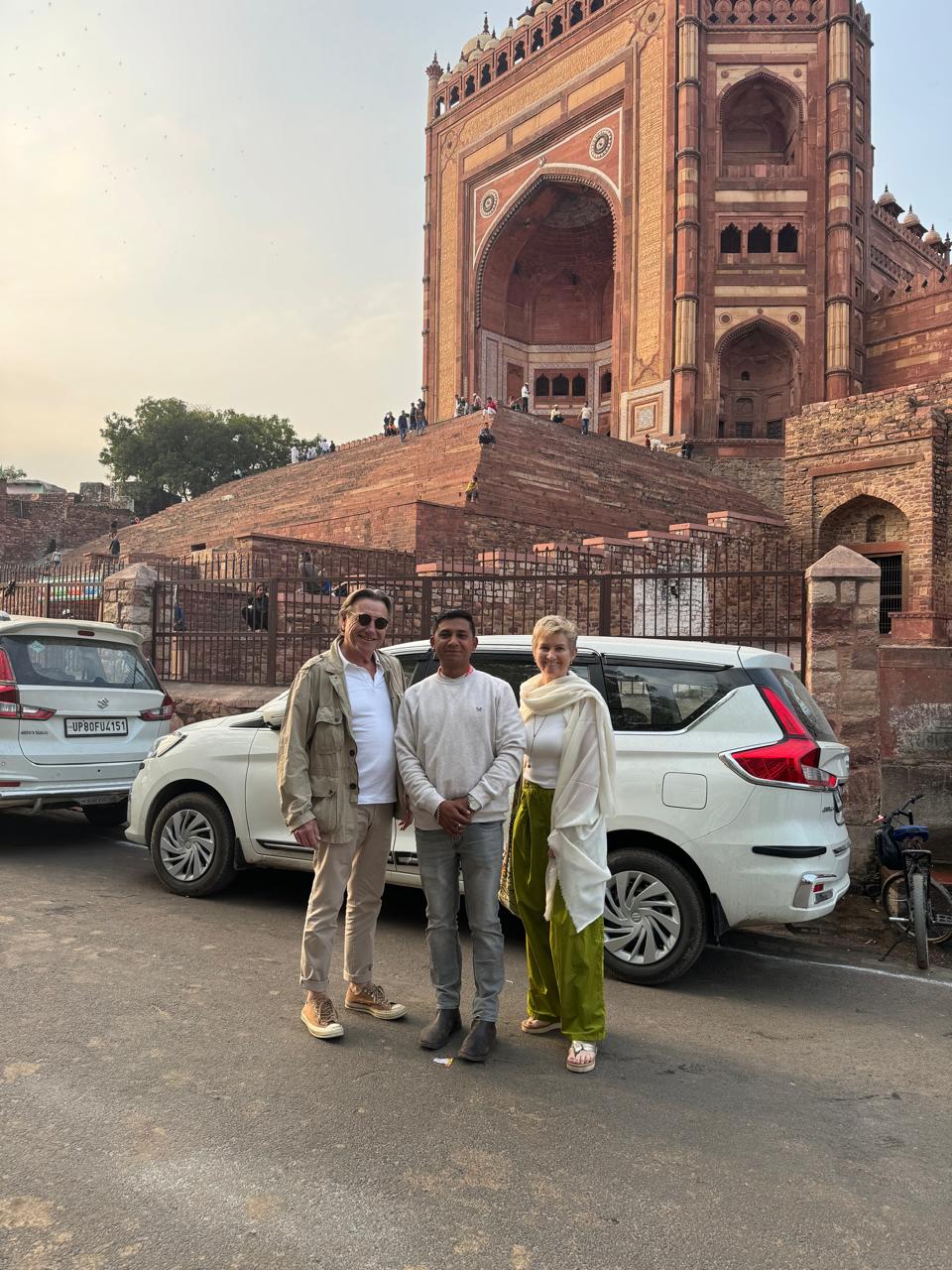
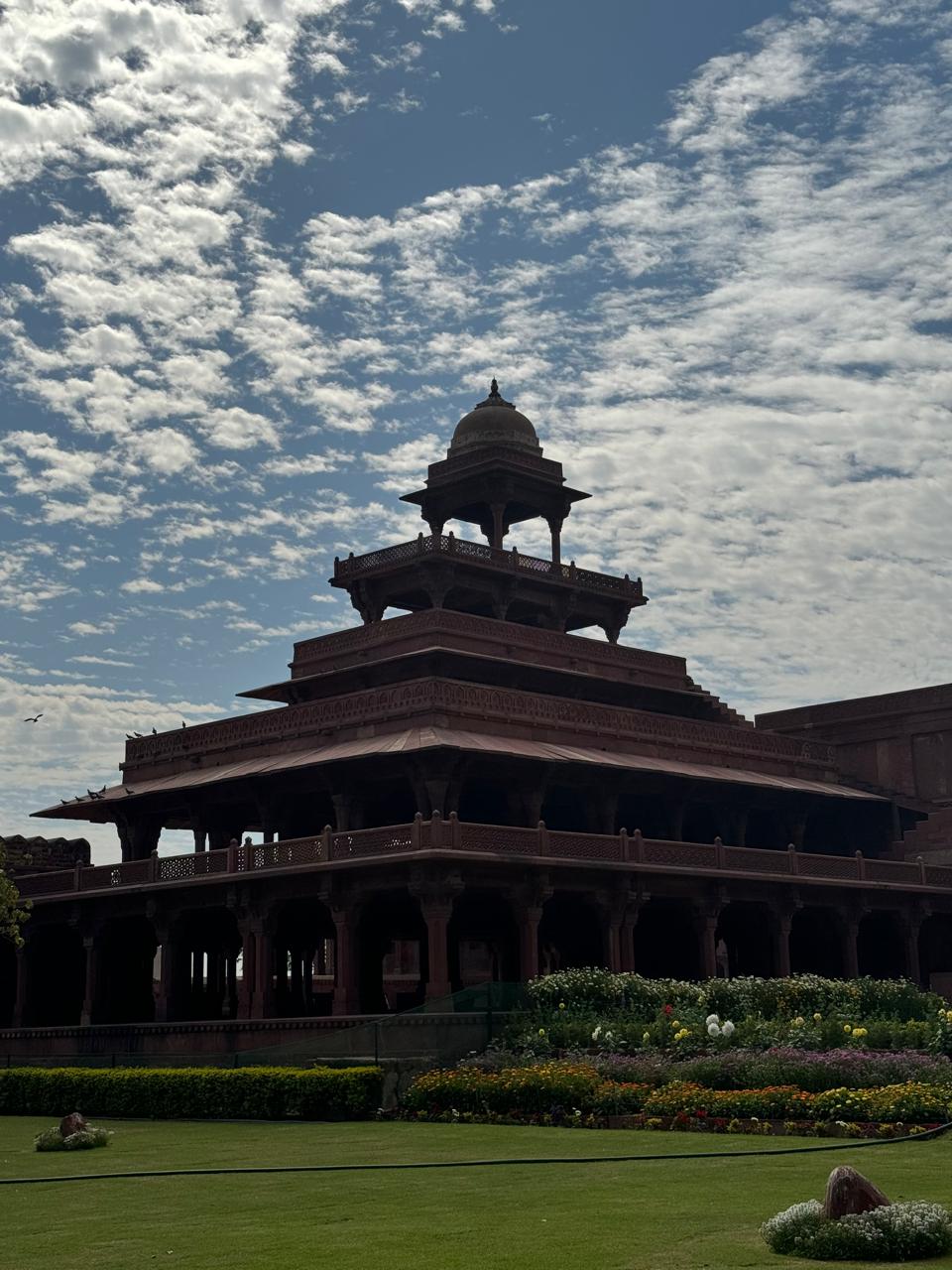
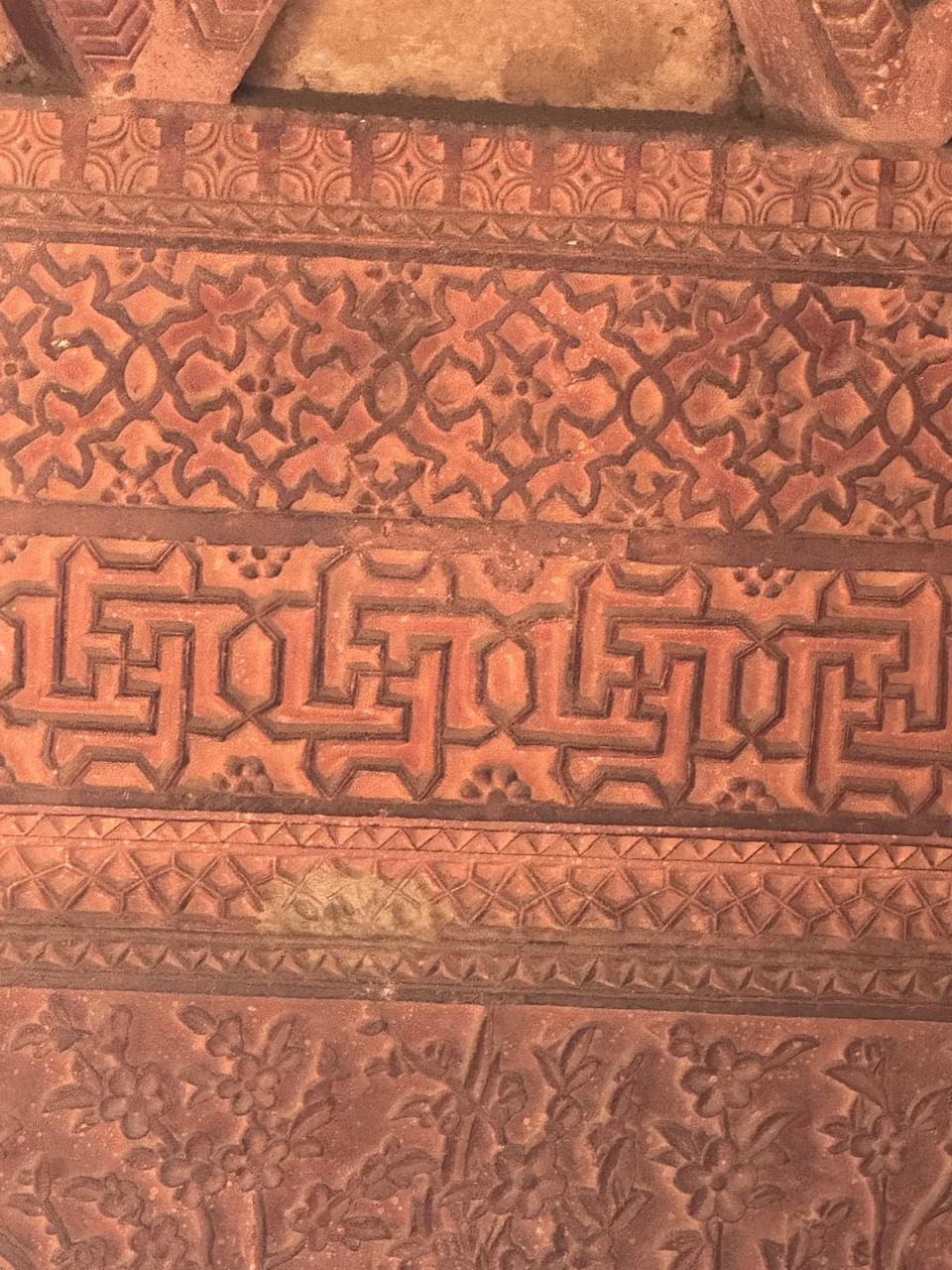
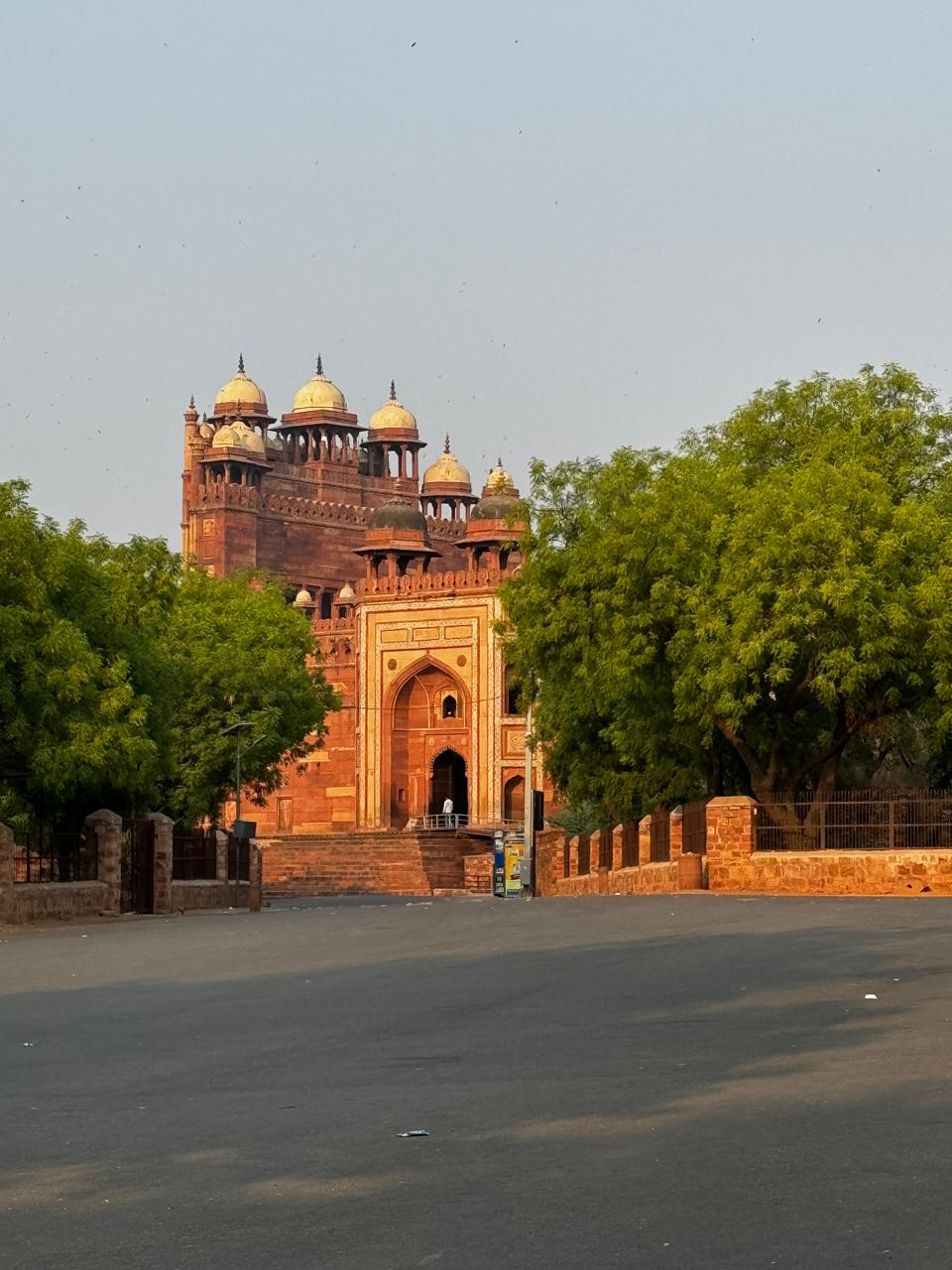
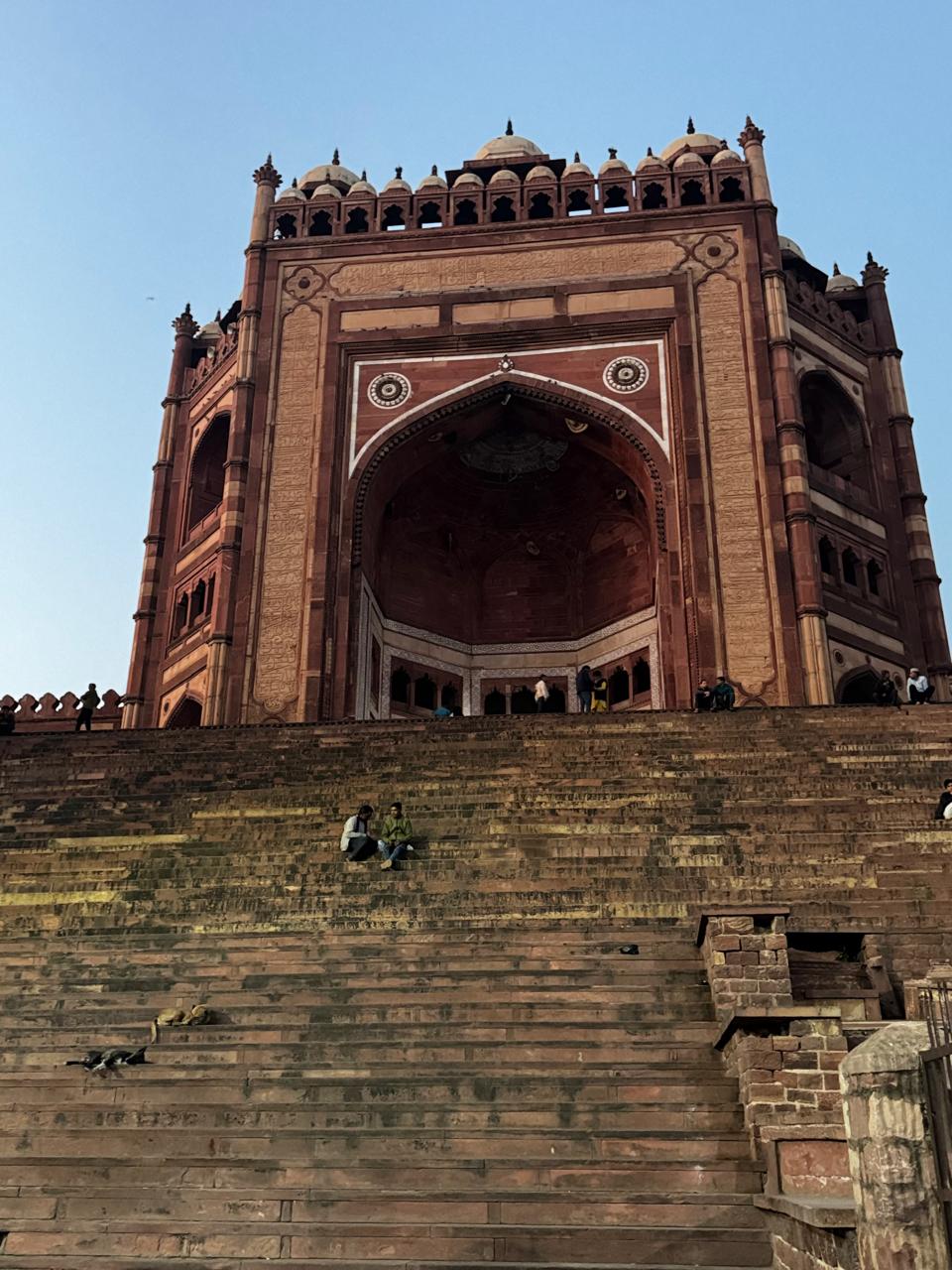
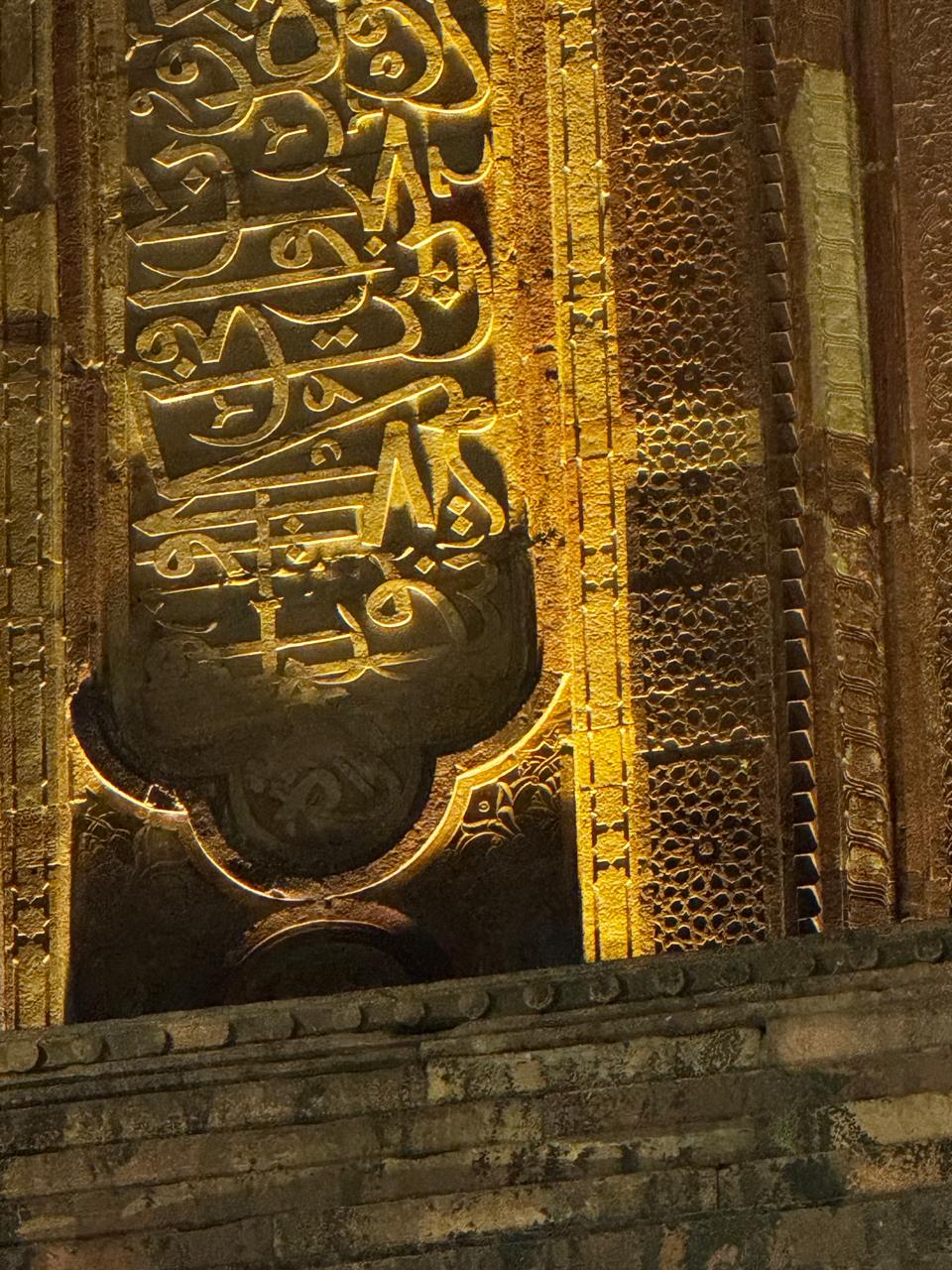
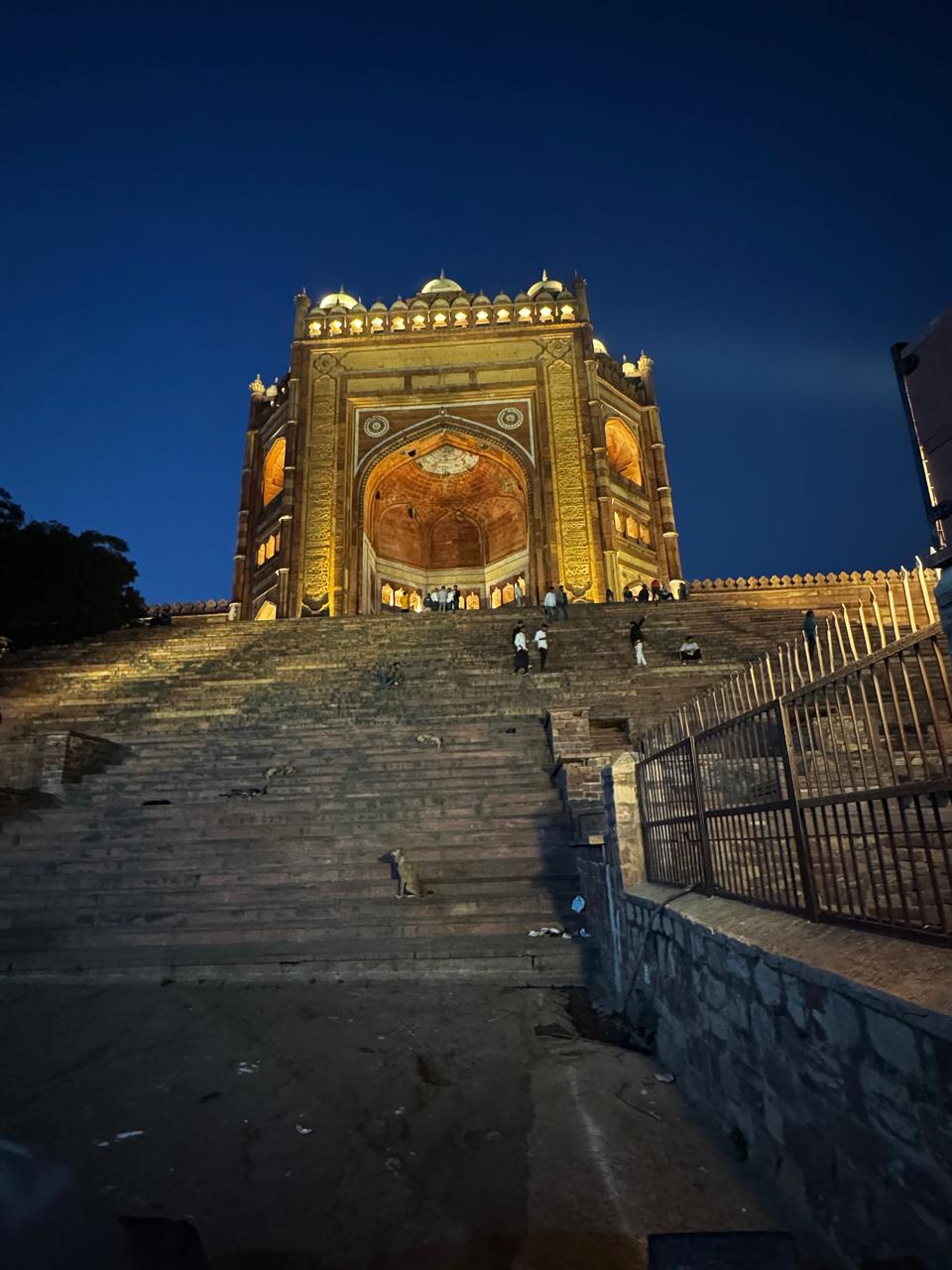
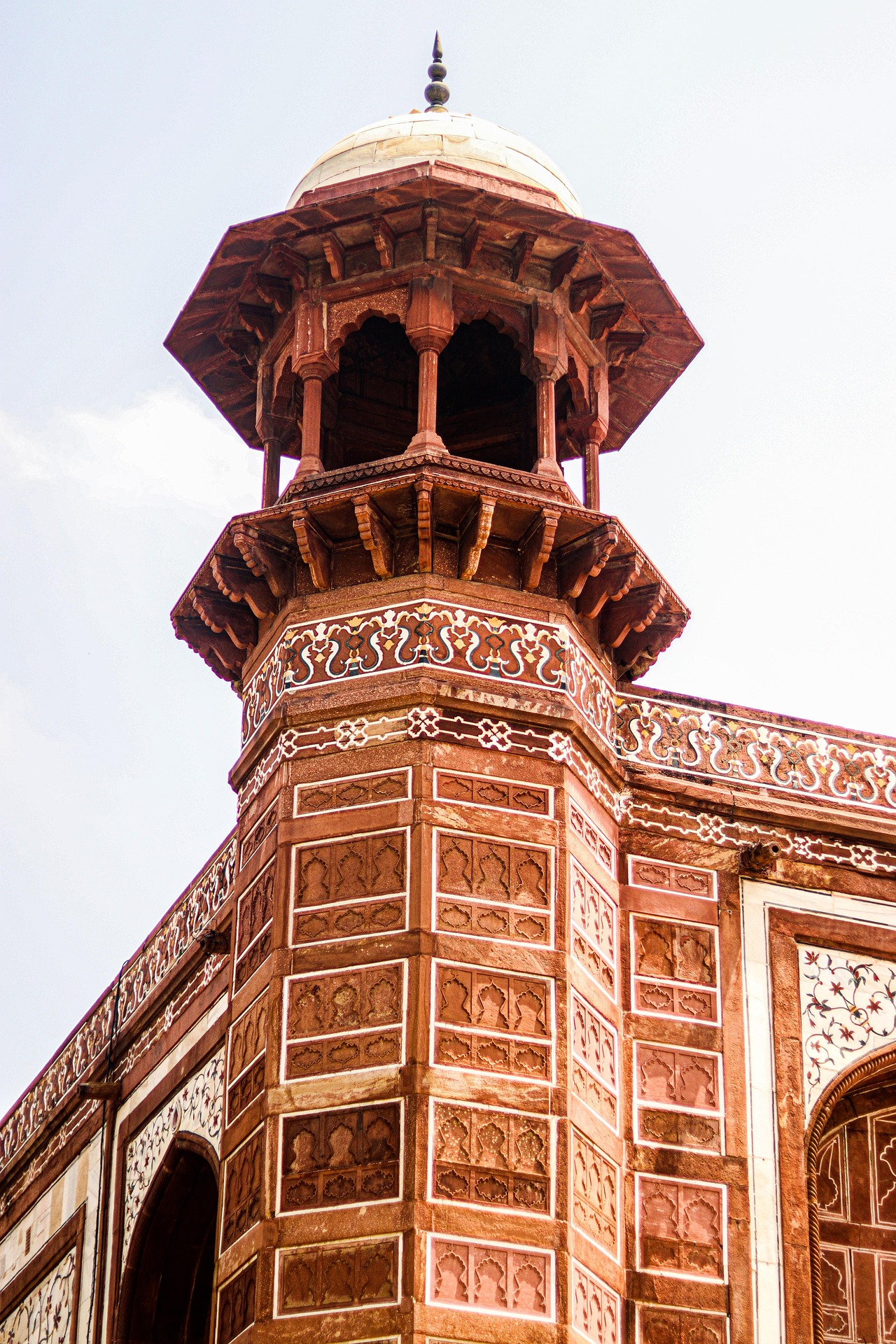
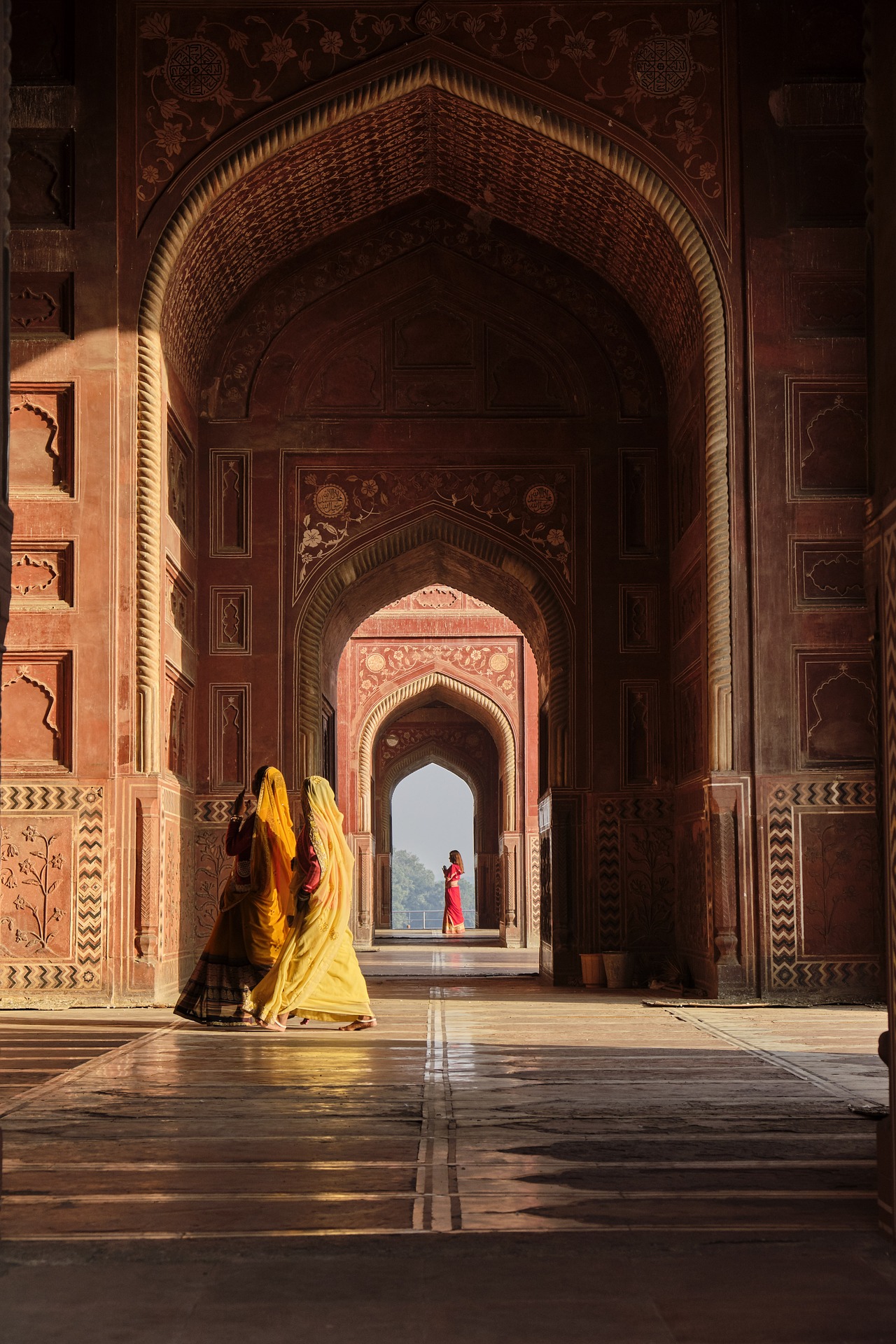
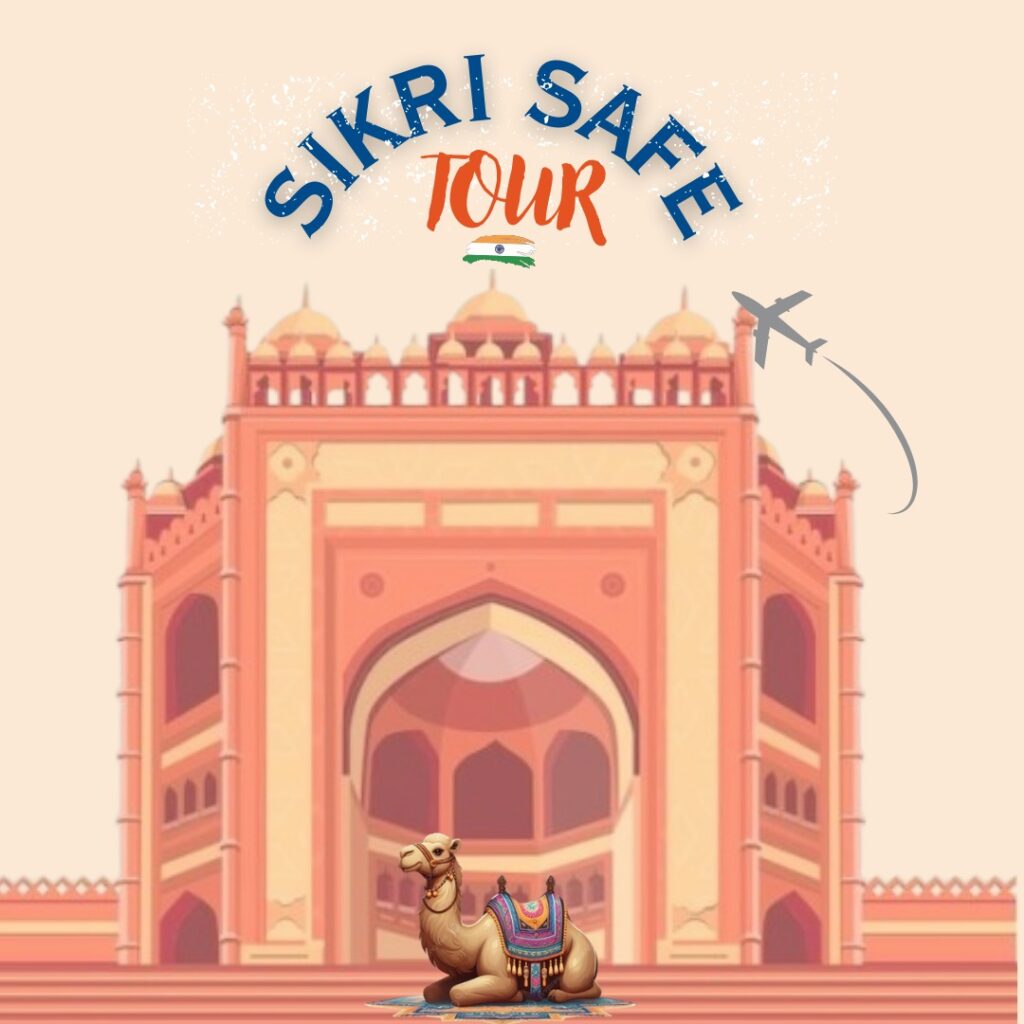
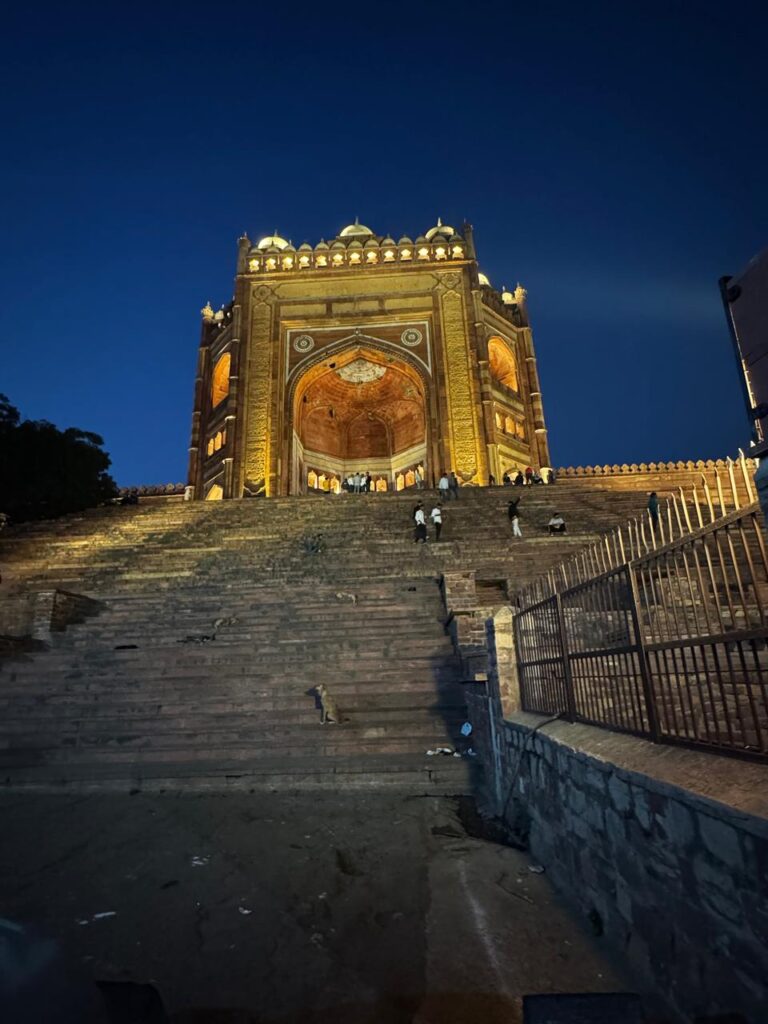
Fatehpur Sikri showcases a unique blend of Persian, Mughal, and indigenous Indian architectural styles. The stunning red sandstone structures speak volumes about the artistic excellence of Mughal craftsmanship. Among the most notable monuments are the Buland Darwaza (a 54-meter high gateway commemorating Akbar’s victory in Gujarat), Jama Masjid, Diwan-i-Khas, Diwan-i-Aam, Panch Mahal, Birbal’s House, and the Tomb of Sheikh Salim Chishti. The city layout reflects thoughtful urban planning, including water systems, royal quarters, and public courts.
Today, Fatehpur Sikri stands as a UNESCO World Heritage Site and a major tourist attraction. Walking through its palatial pathways gives a sense of how powerful, visionary, and culturally rich the Mughal era was. Although abandoned centuries ago, the city still preserves the glory of Mughal architecture and remains a living testament to India’s royal past.
Discover Why the Taj Mahal
Deserves a Spot on Your Travel List
Taj Mahal – The Eternal Symbol of Love and Mughal Grandeur
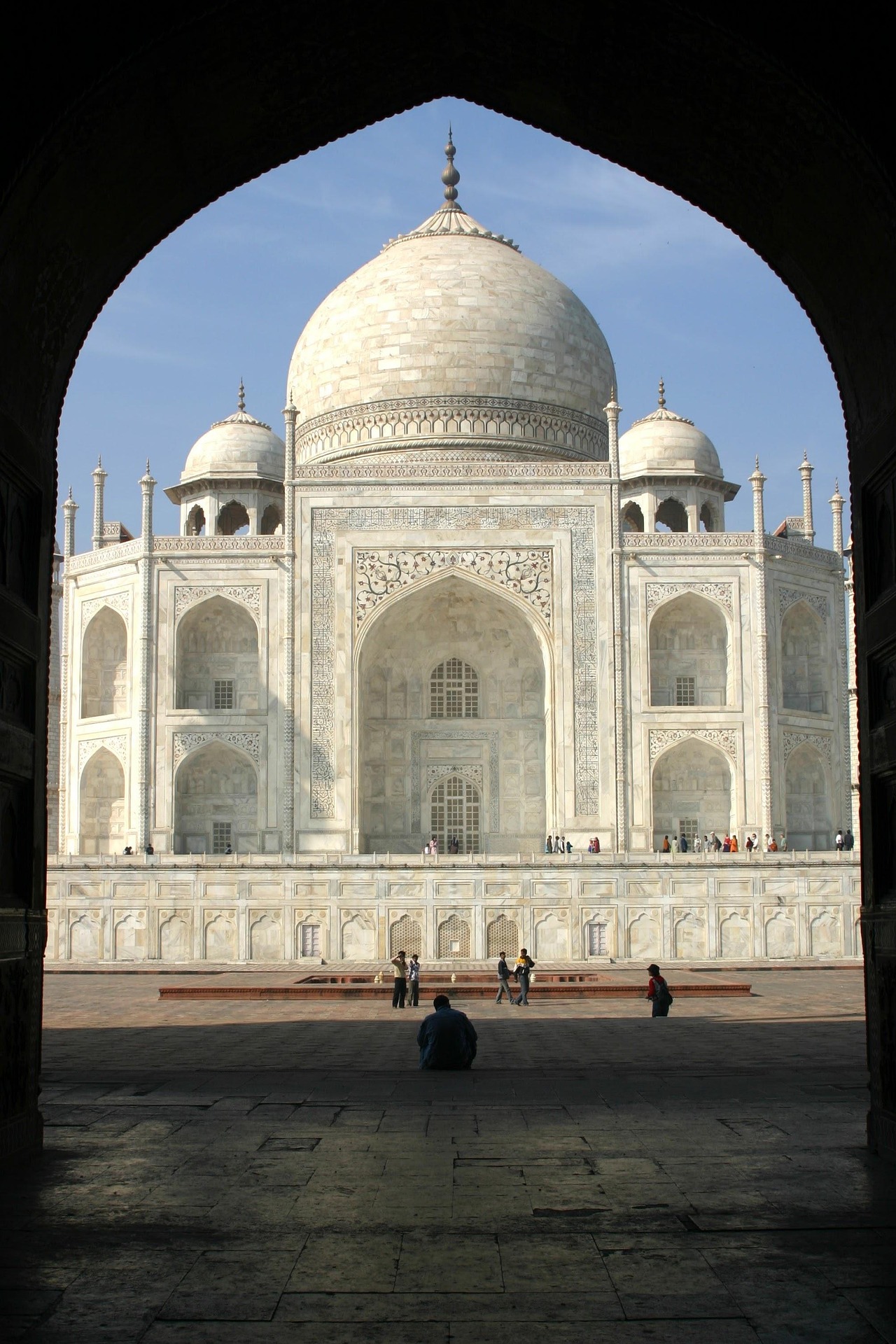
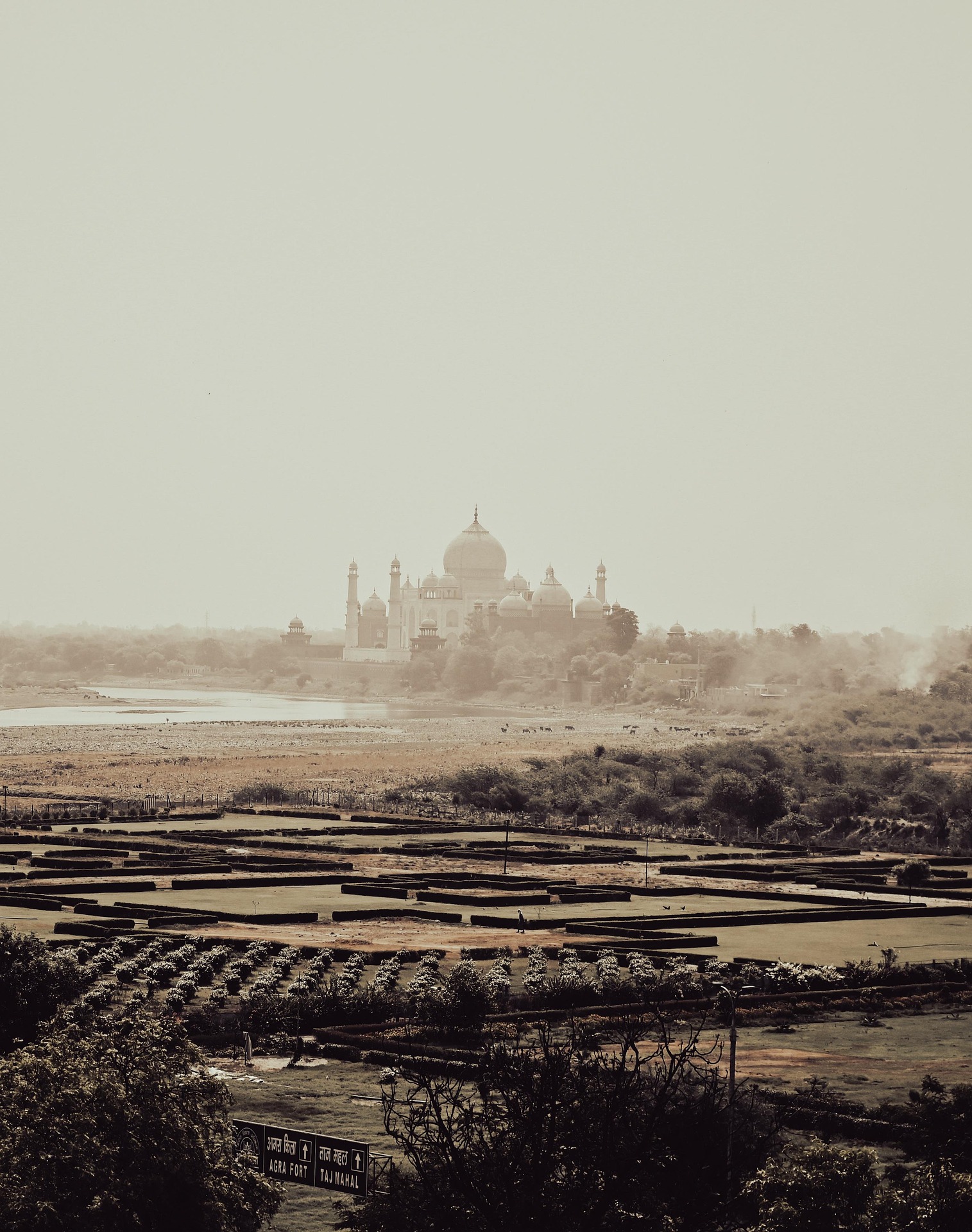
The Taj Mahal is one of the most iconic monuments in the world, located in the historic city of Agra in Uttar Pradesh. Built by the Mughal Emperor Shah Jahan in the 17th century, this magnificent structure stands as a timeless symbol of love, devotion, and architectural brilliance. Recognized globally for its enchanting beauty and artistic perfection, the Taj Mahal attracts millions of visitors each year and remains one of India’s most celebrated heritage landmarks.
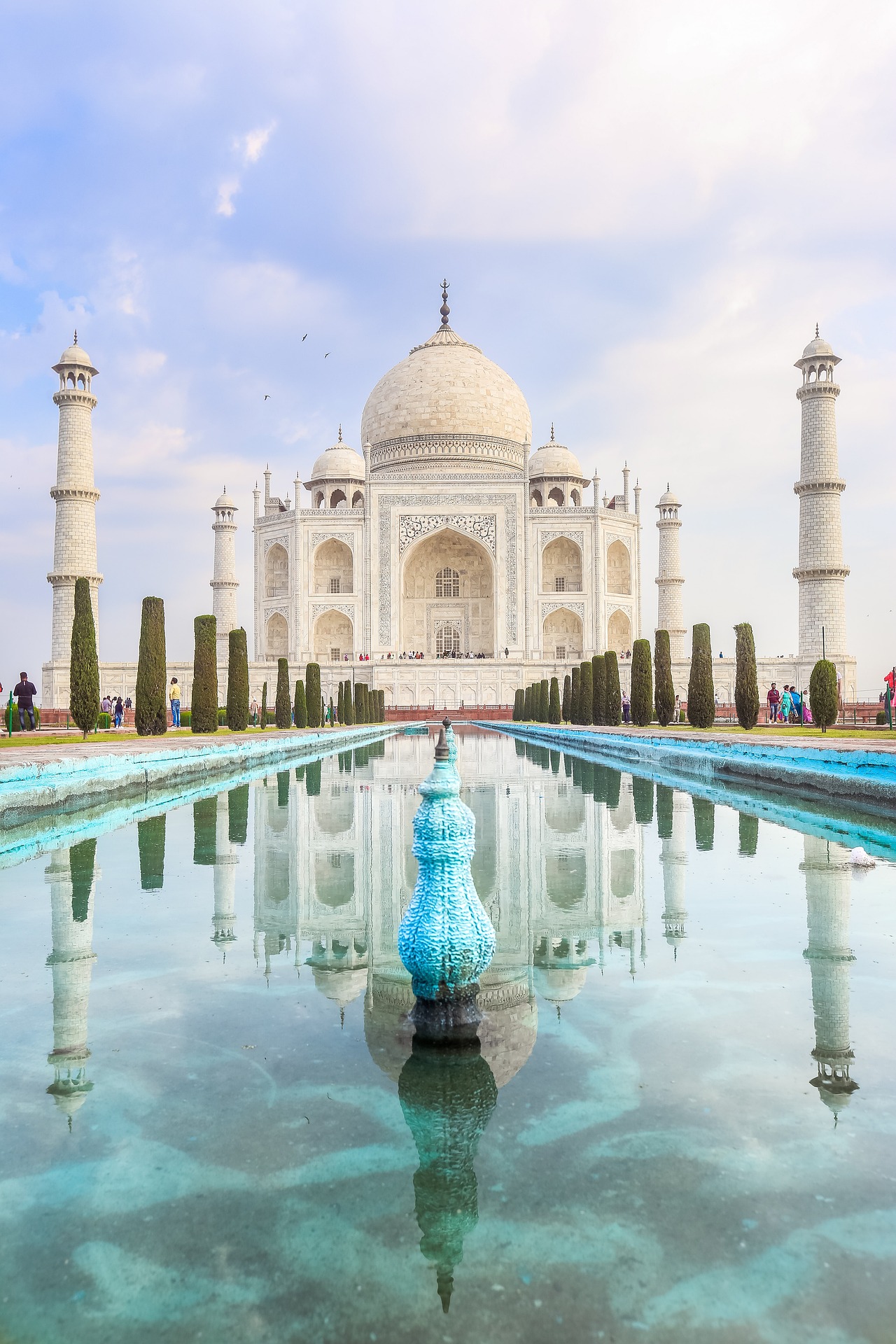
Construction of the Taj Mahal began around 1632 in memory of Shah Jahan’s beloved wife, Mumtaz Mahal, who passed away during childbirth. Deeply heartbroken, Shah Jahan commissioned a grand mausoleum that would reflect eternal love and unmatched craftsmanship. The Taj Mahal complex includes the main marble mausoleum, a mosque, a guest house, lush Mughal gardens, gateways, reflective ponds, and finely designed courtyards.
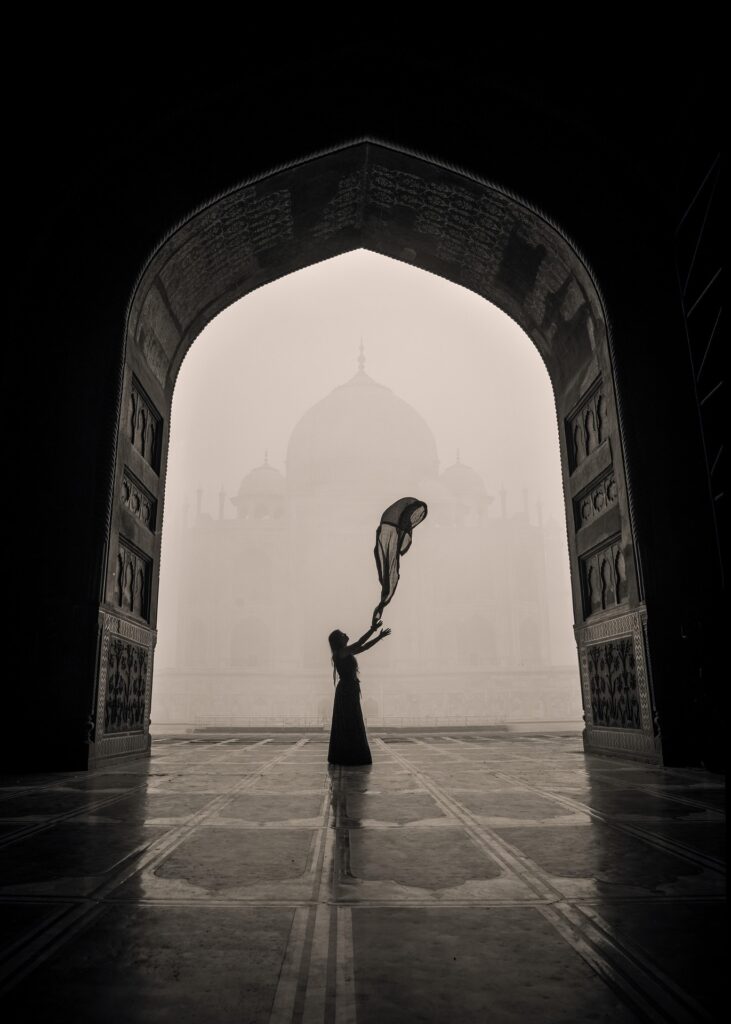
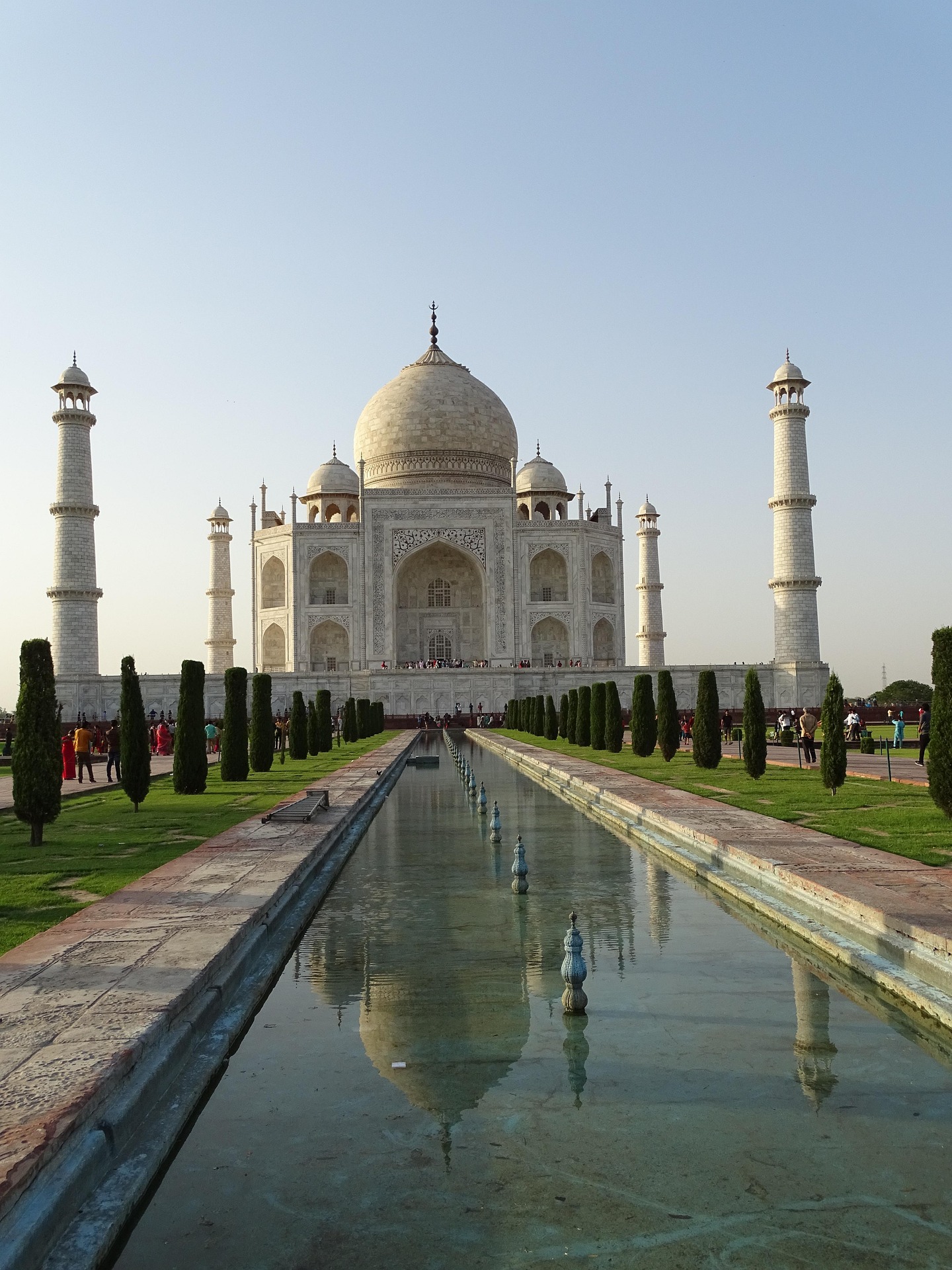
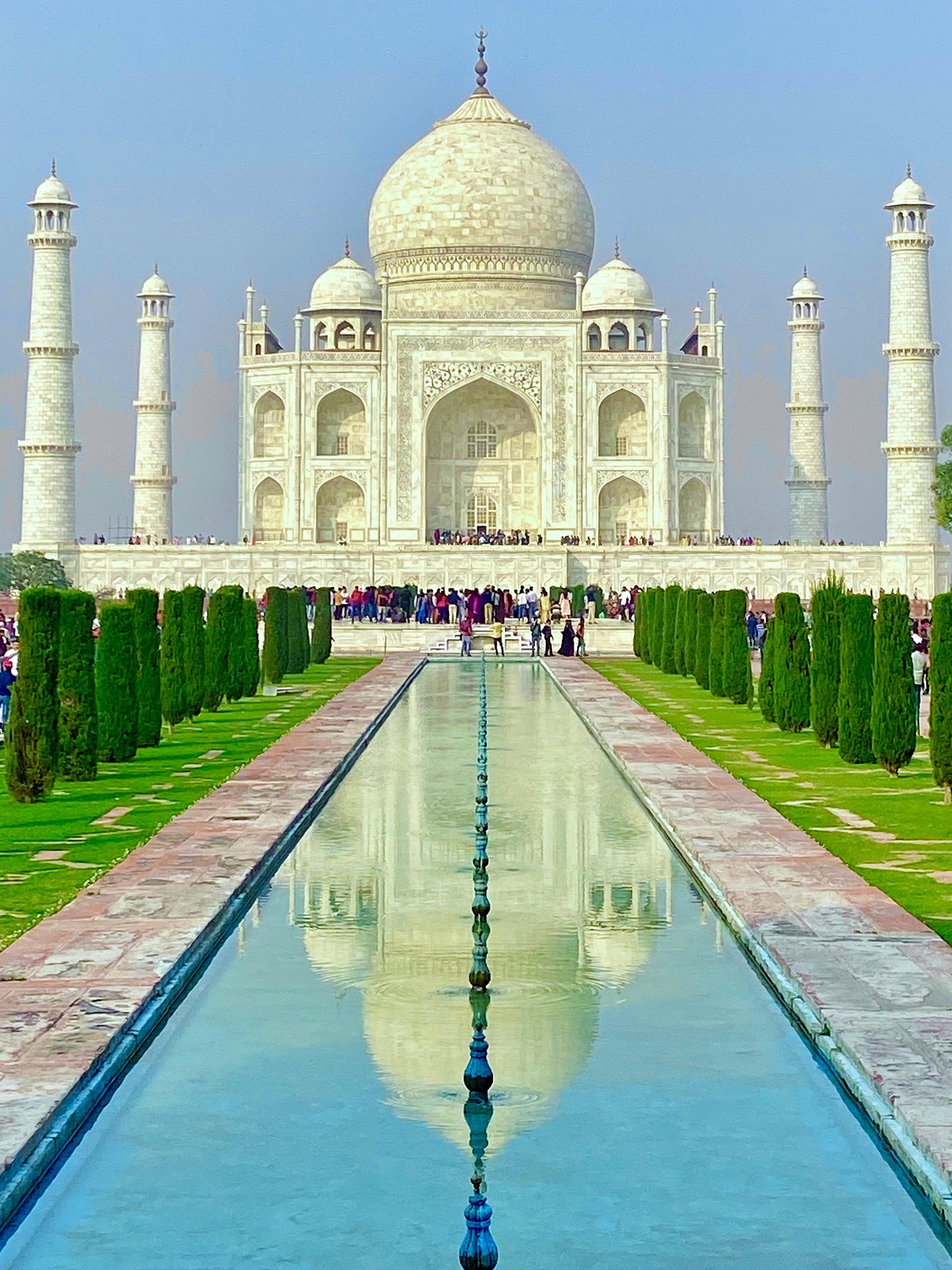
The Taj Mahal is renowned for its stunning white Makrana marble, intricate pietra dura (stone inlay work), calligraphy, symmetrical design, and its central onion-shaped dome surrounded by four elegant minarets. The monument exhibits a harmonious blend of Persian, Mughal, and Indian architectural styles. At sunrise and sunset, the marble changes shades—from soft pink to golden and pure white—creating a breathtaking visual experience for visitors.
Today, the Taj Mahal stands as a UNESCO World Heritage Site and one of the Seven Wonders of the World. Walking through its gardens and marble corridors evokes a deep sense of history, artistry, and emotion. Beyond being a mausoleum, the Taj Mahal is a masterpiece of love and craftsmanship that continues to mesmerize travelers, historians, and art lovers from around the globe.
Get in Touch!
Contact me for reliable tour, hotel & transport support.
- +91 96344 45069
- 009rizwanqureshi@gmail.com
- 123, Agra, UP
-
Mon - Friday
09:00 to 19:00